Learn how to plan a gala event with expert tips on venues, budgets, entertainment and guest experience for successful corporate and fundraising galas.

Industry Trends & Articles
A successful event does not begin with styling, speakers or catering. It begins with a clear and realistic event planning budget. Every decision, large or small, depends on how funds are allocated and managed.
If you are organising a corporate conference, gala dinner or strategy session, understanding how to make a budget plan for an event is essential. A well-structured budget protects your investment, reduces risk and gives stakeholders confidence in the outcome.
At Hyatt Meetings and Events, we regularly support planners who recognise that exceptional events are built on strong financial foundations. Effective budgeting ensures creativity and experience can flourish without uncertainty.
Many organisers underestimate why budgeting is important in event planning until costs begin to escalate. An event budget does far more than track expenses.
A clear budget helps you:
· Set realistic expectations with stakeholders
· Prioritise spending based on objectives
· Avoid unnecessary costs
· Secure approvals faster
· Measure return on investment
· Prepare for unexpected expenses
Strong event budget management ensures you stay in control rather than reacting to surprises.
Before building your event planning budget, clarify:
· The purpose of the event
· The target audience size
· The format, such as conference, seminar or networking function
· The level of experience you want to deliver
Conference budget planning varies significantly depending on the event type. A multi-day conference, for example, typically requires greater investment in audio-visual production, speaker fees and delegate catering compared with a board meeting or product briefing.
If you have hosted similar events previously, historical financial data is one of your most valuable budgeting tools. Compare projected costs with actual spend to identify recurring overruns and forecasting gaps.
Inflation-sensitive categories such as catering, labour and production should also be reviewed against current market rates before confirming projections. Updating past figures to reflect present conditions improves accuracy and supports confident decision-making.
An event budget includes both expenses and income. Structured pricing strategies can significantly improve revenue forecasting and reduce financial pressure closer to the event date.
· Ticket sales
· Sponsorship packages
· Exhibitor fees
· Merchandise
· Grants
· Virtual access passes
Many planners use urgency pricing:
· Early bird: 10 to 25 per cent discount
· Standard rate
· Late or on-site premium: 15 to 20 per cent higher
A well-structured pricing model supports cash flow and provides clearer revenue projections early in the planning cycle.
Creating a comprehensive event planner cost breakdown prevents missed items and hidden costs. Common expense categories include:
· Room hire
· Furniture and staging
· Security
· Cleaning
Venue costs are often the largest component of an event budget. Clarify what is included in the hire fee, as some venues bundle staging, basic audio-visual equipment or on-site coordination, while others itemise these separately. Understanding inclusions upfront prevents unexpected cost escalations later.
• Catering per head
• Morning tea and lunch
• Gala dinner
• Beverage packages
• Special dietary requirements
• Alcohol permits
• Gratuities
Catering expenses fluctuate directly with guest numbers and service style. In our experience, underestimating food and beverage costs is one of the most common budgeting mistakes, particularly for multi-day conferences or premium gala events. Confirm minimum spend requirements and service charges early in the planning process.
• Audio-visual equipment
• Lighting
• Live streaming
• Event app or registration platform
• Wi-Fi upgrades
Production requirements vary significantly depending on event scale and format. Conferences, product launches and annual meetings typically require greater investment in staging design, lighting and rehearsal time to ensure professional delivery. Technical testing and contingency planning should also be factored into this category.
• Graphic design
• Digital advertising
• Printing and signage
• Photography and videography
Marketing expenditure supports attendance targets, sponsor visibility and post-event reporting. Align these costs with your promotional strategy and registration timeline to maximise return on investment.
• Event coordinators
• On-site support staff
• Speakers and entertainers
• Technical crew
• Registration staff
• Security personnel
Labour costs can increase quickly, particularly if overtime, rehearsals or extended bump-in periods are required. A clear staffing schedule helps manage these expenses effectively.
• Theming
• Florals
• Furniture hire
• Guest gifts
Experience-driven elements enhance atmosphere and brand perception. However, these costs should be evaluated carefully to ensure they support the event’s objectives rather than simply increasing visual impact without measurable return.

No event budget is complete without a contingency allocation. Industry best practice suggests reserving 5 to 15 per cent of total projected expenses. Unexpected changes in guest numbers, supplier price increases or technical requirements can quickly affect your bottom line. Proactive budgeting in event planning ensures you are prepared.
For major expenses:
· Request at least three vendor quotes
· Compare inclusions carefully
· Check for hidden fees
· Negotiate bundled services
Early booking can reduce venue costs by 10 to 20 per cent.
Common overlooked costs:
· Wi-Fi upgrades
· Attrition penalties
· Credit card surcharges
· Rush printing fees
· Overtime labour
· Shipping and storage
Events often exceed initial budgets by over 20 per cent due to these omissions. Careful forecasting and supplier clarification are essential to avoid preventable overruns.
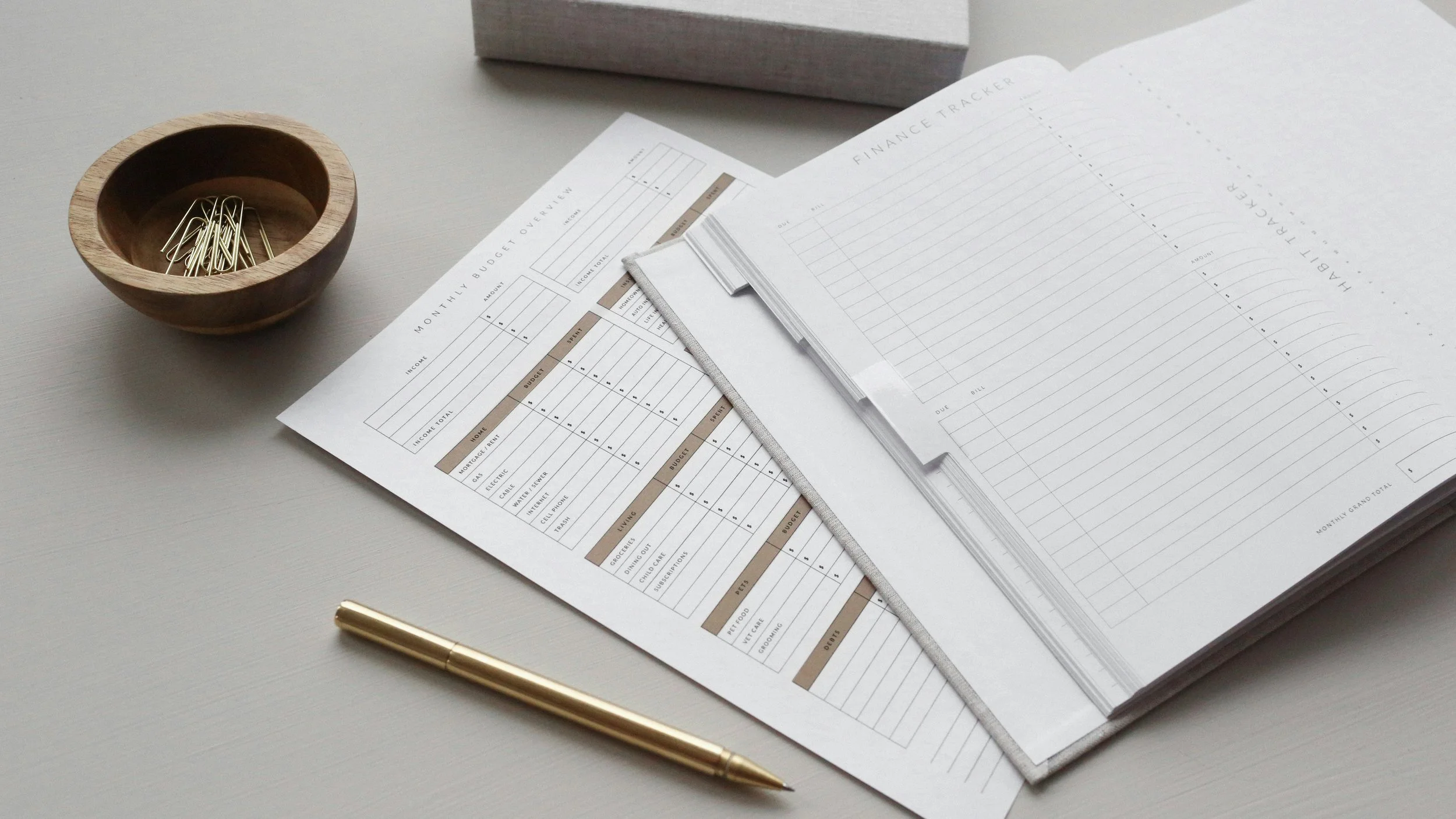
Event budget templates simplify the planning process and reduce the risk of oversight. A structured spreadsheet allows you to:
• Track quotes versus actual spend
• Monitor deposits and due dates
• Compare projected and final figures
• Identify areas of overspend early
For corporate functions, a corporate event budget template is particularly useful. It often includes line items tailored to board meetings, conferences and stakeholder events. Using event budget templates supports consistent event budget management across multiple projects.
Developing the initial budget is only the beginning. Active financial management requires ongoing review and adjustment.
Update your budget when:
• Supplier quotes are confirmed
• Guest numbers change
• Sponsors are secured
• Scope adjustments are approved
Accurate tracking ensures financial transparency and helps maintain stakeholder trust. For guidance on effective planning workflows, explore business event planning made simple.
Understanding the types of budgets in event management helps determine the best approach for your event.
A fixed budget has a strict spending limit. This approach is common in corporate environments where funds are allocated annually.
A flexible budget adjusts according to revenue or attendance numbers. Ticketed events often use this model.
Zero-based budgeting requires every expense to be justified for each event. This method is useful for large-scale conferences where accountability is essential.
Selecting the right structure strengthens your event planning budget and improves decision-making.
Conference budget planning often involves additional complexities, such as:
• Multiple breakout rooms
• High-end audio-visual production
• Keynote speaker fees
• Delegate registrations
• Sponsor activations
Large-scale conferences also require careful scheduling of supplier payments and milestone approvals. Detailed planning prevents financial pressure closer to the event date.
To maintain control of your event budget, obtain multiple supplier quotes and negotiate package inclusions wherever possible. Confirm all deliverables in writing, track deposits and final payments carefully, and review contracts thoroughly before signing.
Strong budgeting in event planning supports smarter decision-making and reduces stress throughout the process.
Learning how to create an event budget is about more than numbers. It is about aligning financial decisions with the event’s purpose and expected outcomes.
An effective event planning budget should reflect strategic objectives, balance experience with cost efficiency and include realistic revenue projections. It must also provide room for contingency and remain flexible enough to adapt as event requirements evolve.
Careful planning allows you to focus on delivering an exceptional guest experience without financial uncertainty.
Budget clarity is only one part of successful event delivery. The venue partner plays a critical role in translating financial planning into a seamless guest experience.
Hyatt properties across Australian major cities offer flexible event spaces designed to accommodate board meetings, strategy sessions, large-scale conferences and gala dinners. Purpose-built venues, adaptable room configurations and integrated technology infrastructure support efficient event execution at every stage.
Dedicated event specialists work alongside planners to coordinate logistics, supplier access, room layouts and production requirements. Professional support reduces administrative burden and enables stronger alignment between event objectives and operational delivery.
On-site accommodation curated catering menus and premium service standards provide consistency across multi-day programs. Consolidating venue, catering and guest rooms within one location can simplify coordination and reduce external complexity.
Explore Hyatt meeting and event venues across Australia or submit an event enquiry with Hyatt to discuss tailored solutions.
Add up your total event costs, then divide that figure by your revenue per attendee or income source.
Break-even point = Total costs divided by Revenue per attendee.
For example, if your total event budget is $100,000 and tickets are $500 each, you would need 200 attendees to cover costs. This calculation helps determine the minimum ticket sales or sponsorship required.
Create a detailed event-planning budget, secure written supplier quotes, and include a contingency allocation. Review actual spend regularly and require approval for any scope changes. Consistent tracking is key to strong event budget management.
Common hidden costs include overtime charges, delivery fees, public holiday surcharges, security, insurance, transaction fees and rehearsal time. A thorough event planner cost breakdown reduces surprises.
The 60 30 10 rule is a simple budgeting framework used in some event management budgets. It suggests allocating:
· 60 per cent to core experience elements such as venue, catering and production
· 30 per cent to marketing, staffing and operational costs
· 10 per cent to contingency
While not suitable for every event, this guideline can assist with early-stage budgeting in event planning and provide a high-level structure before refining line items.
Managing cash flow is different to managing total spend. An event may be profitable on paper but still experience financial pressure if payment timing is not planned carefully.
Track deposit deadlines, progress payments and final balances in your event planning budget. Align supplier payment schedules with incoming revenue, such as ticket sales or sponsorship instalments. Maintaining a cash flow forecast alongside your event budget ensures you can meet financial obligations at every stage.
Several mistakes can weaken your event budget management:
· Underestimating catering and labour costs
· Forgetting contingency allocation
· Relying on outdated supplier pricing
· Failing to track actual spend against projections
· Ignoring GST implications
· Not reviewing historical event data
Understanding how to create an event budget properly reduces these risks and supports stronger financial outcomes. Careful planning, regular review and detailed forecasting remain the foundations of successful event planning and budget control.
Event planning is evolving rapidly, and 2026 presents new opportunities for corporate gatherings, hybrid conferences, and luxury weddings. Planners are looking for more than a beautiful venue. They want spaces that inspire, support engagement and ensure smooth experiences for every attendee.
Hyatt’s luxury venues across Australia and New Zealand offer elegantly designed event spaces, personalised service and exceptional attention to detail. Whether hosting a corporate meeting, a hybrid conference or an intimate celebration, Hyatt provides settings that elevate every occasion.
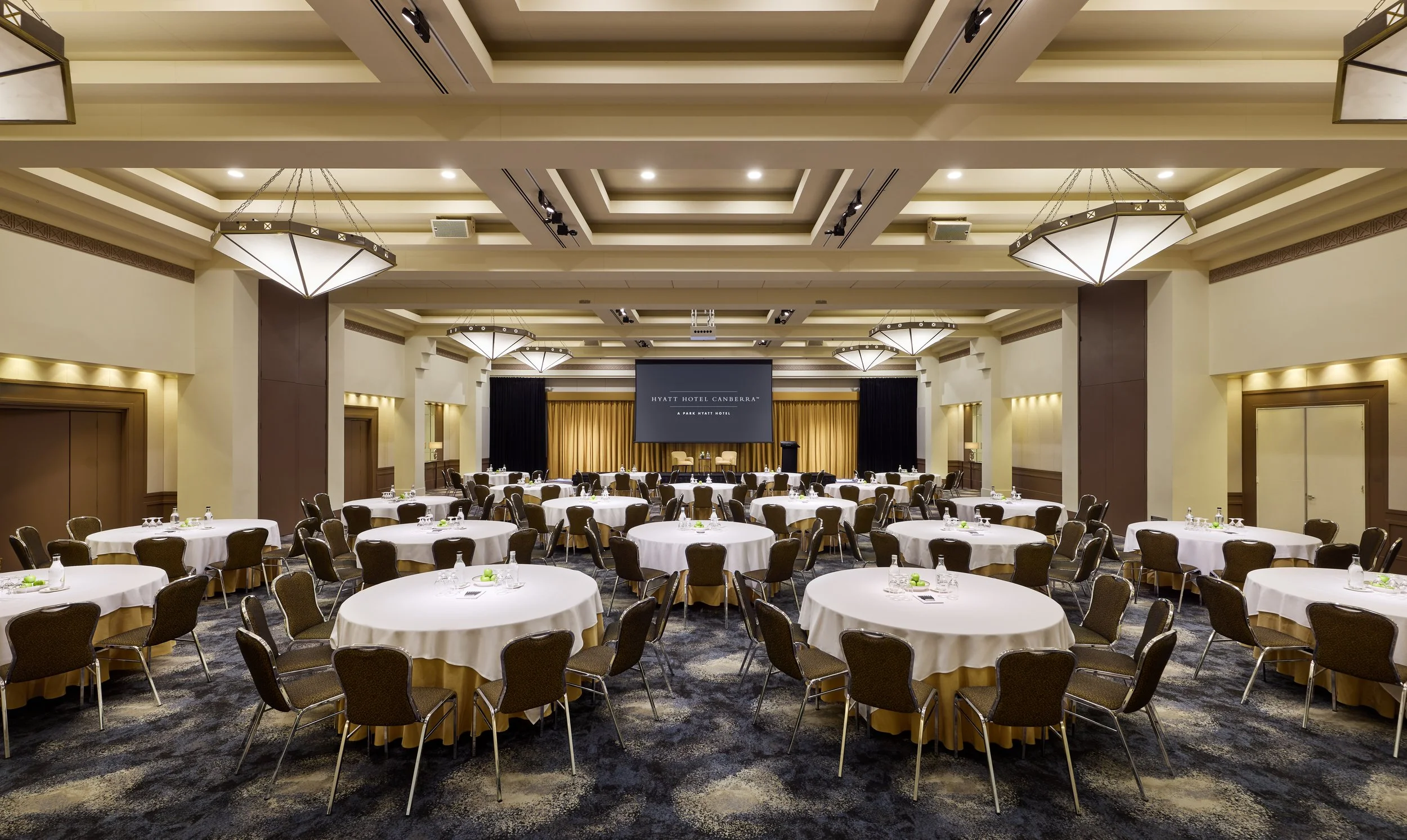
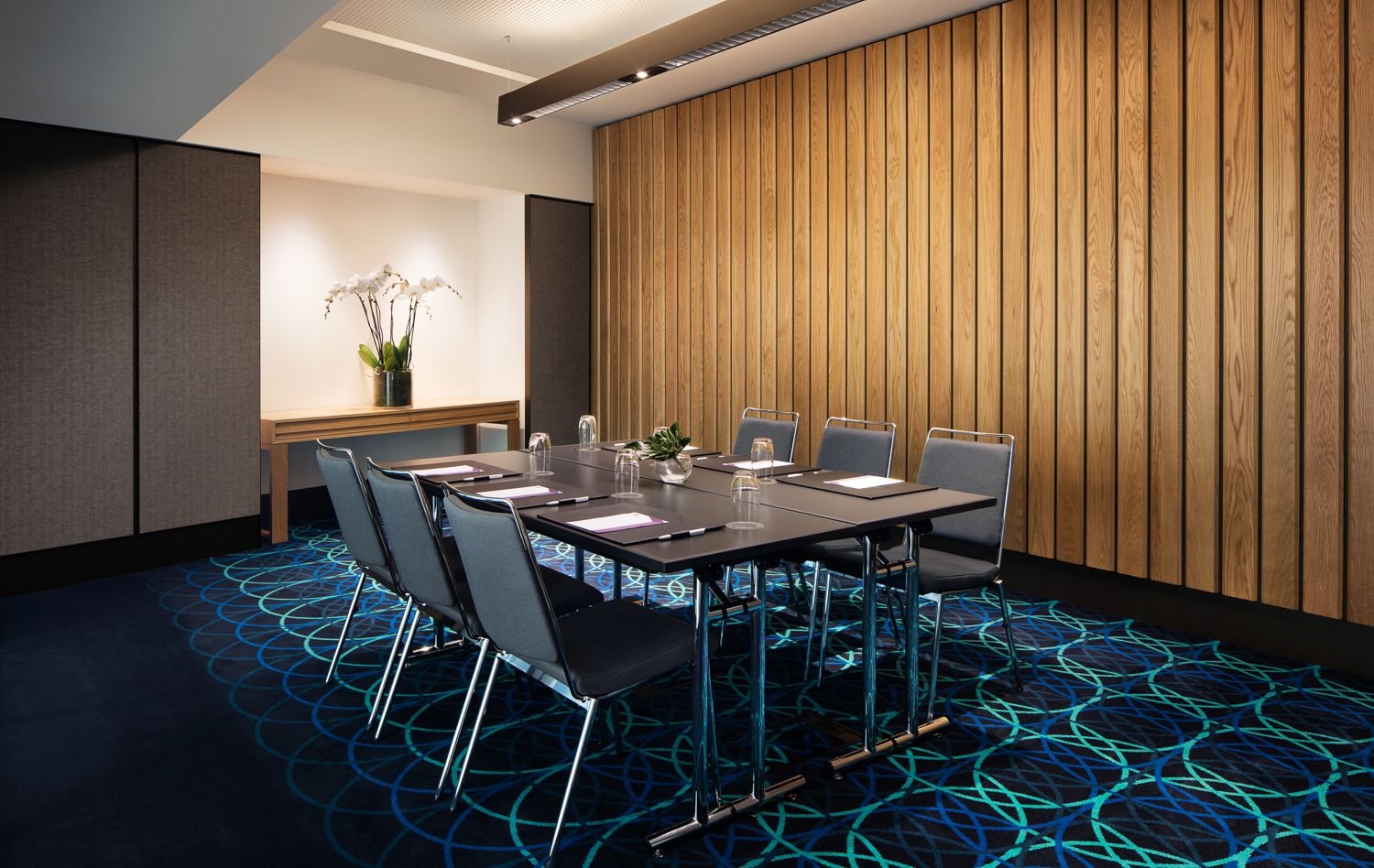
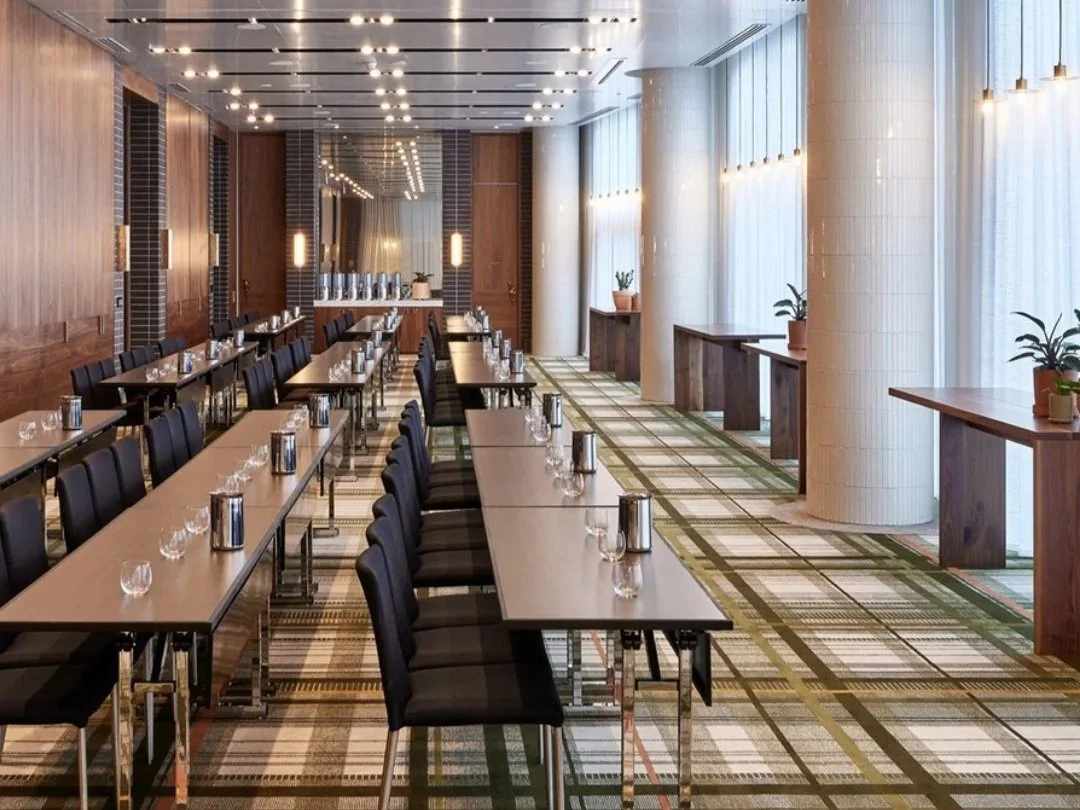
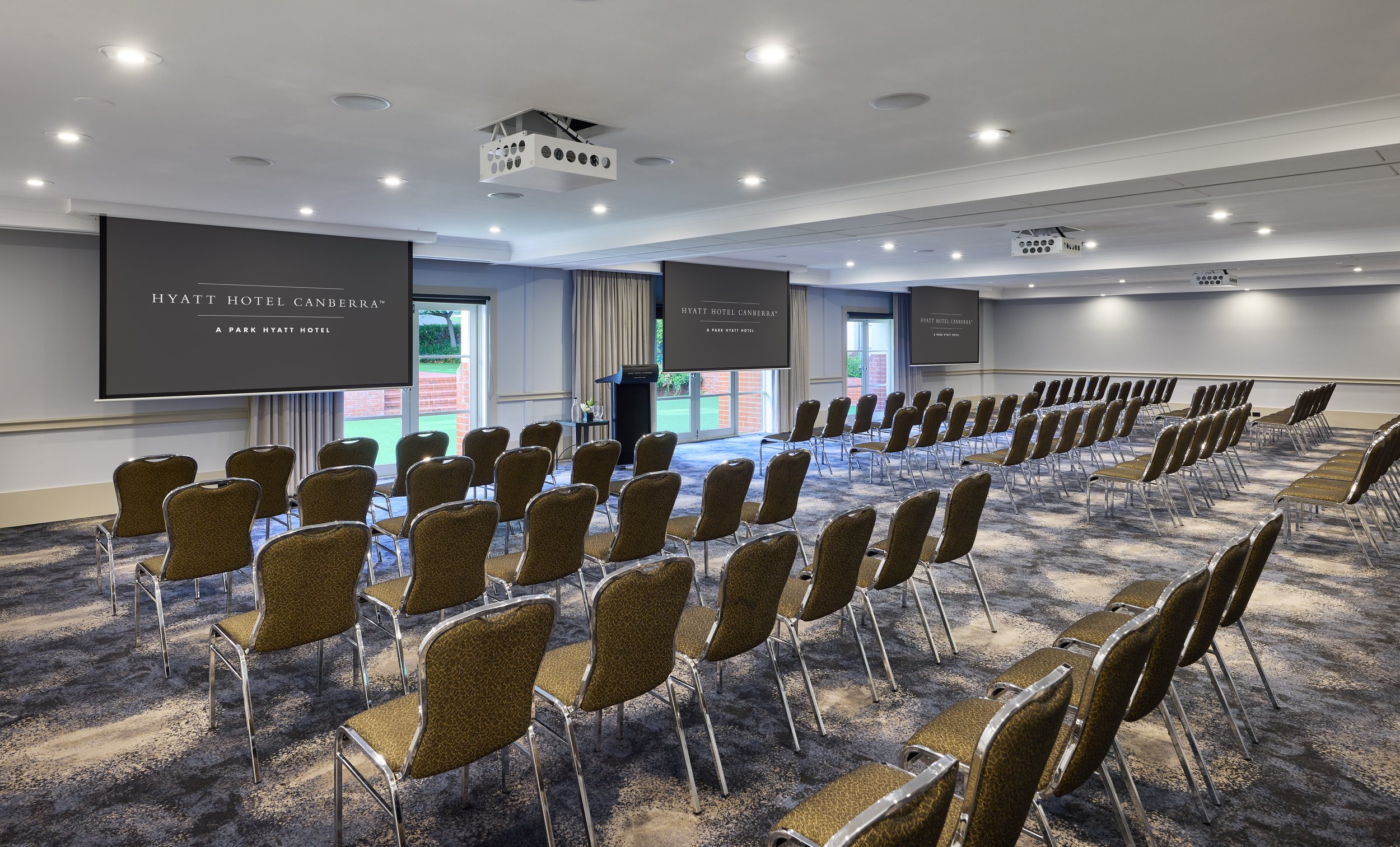
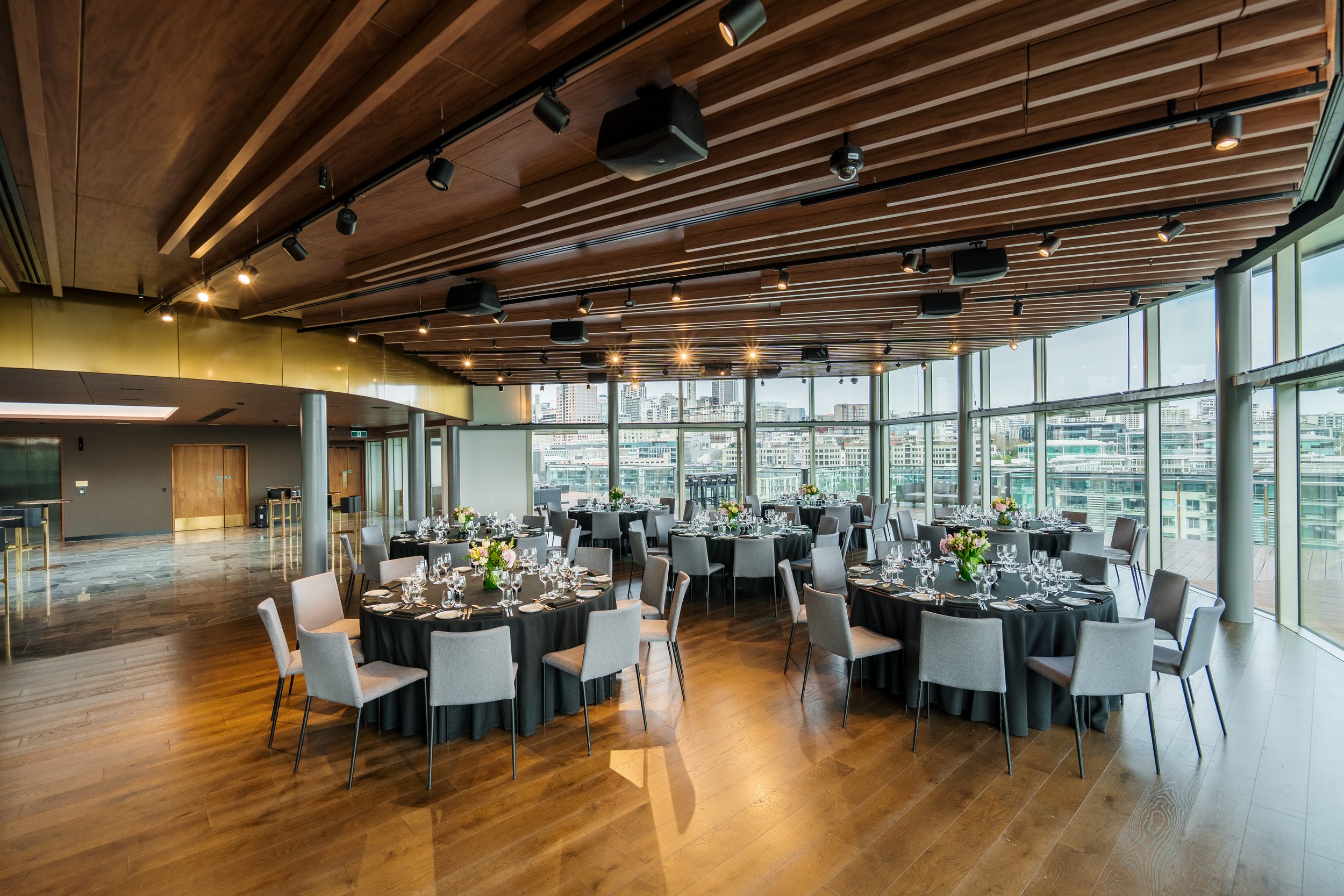
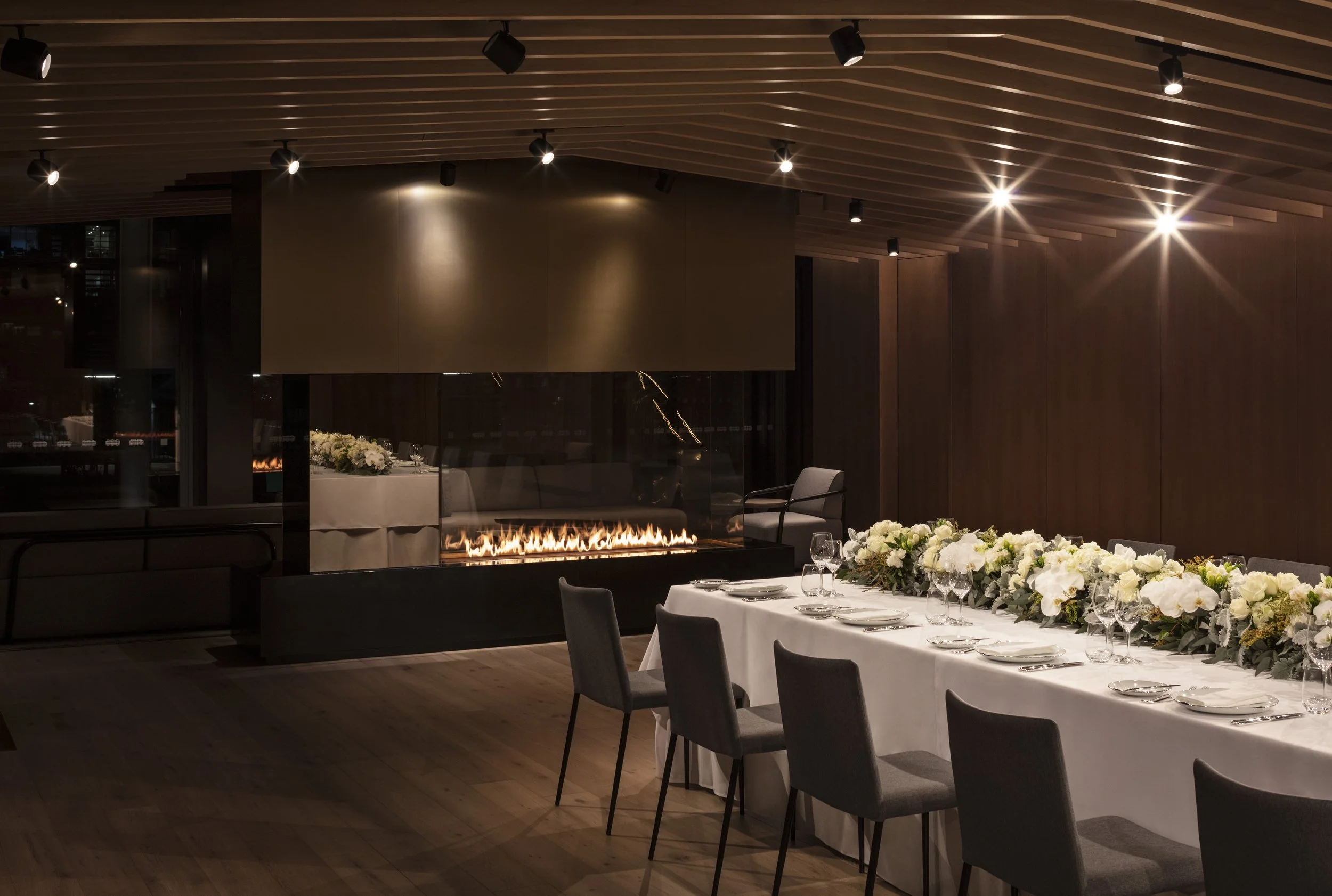
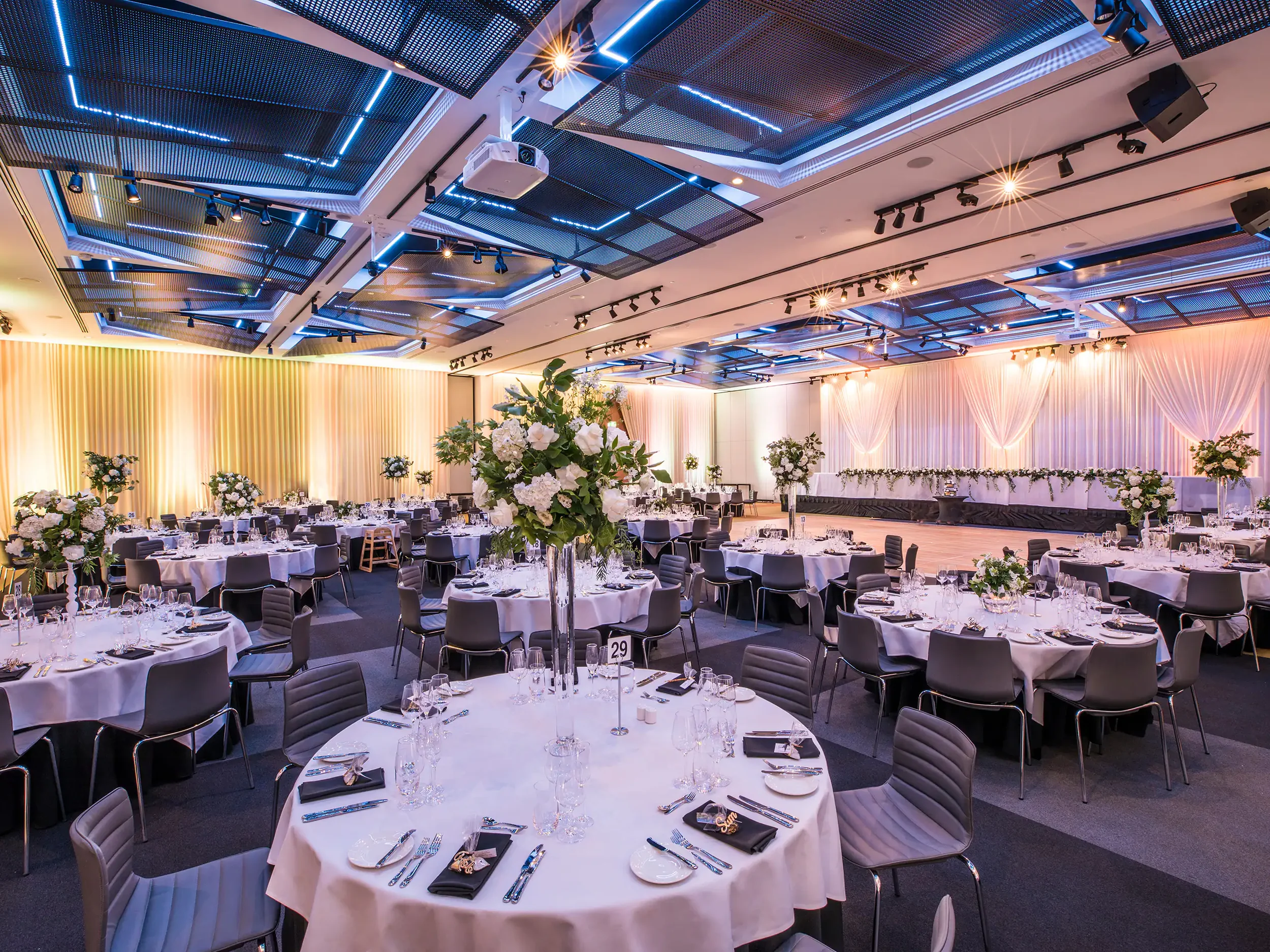
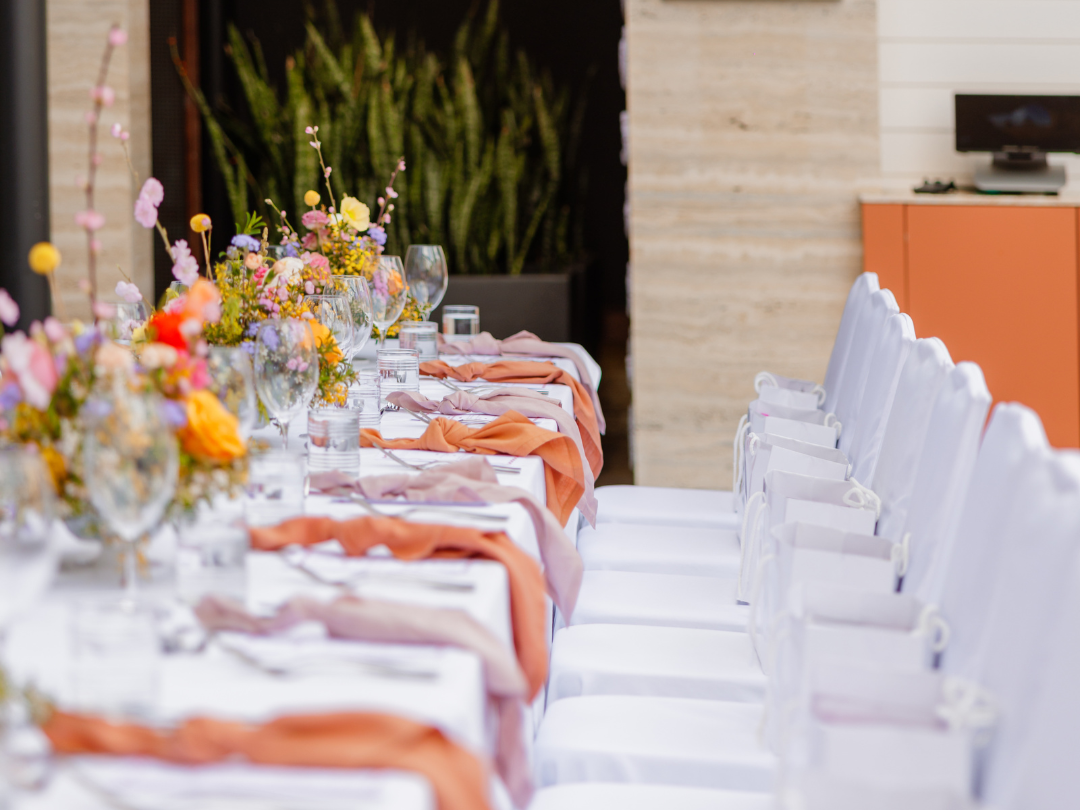
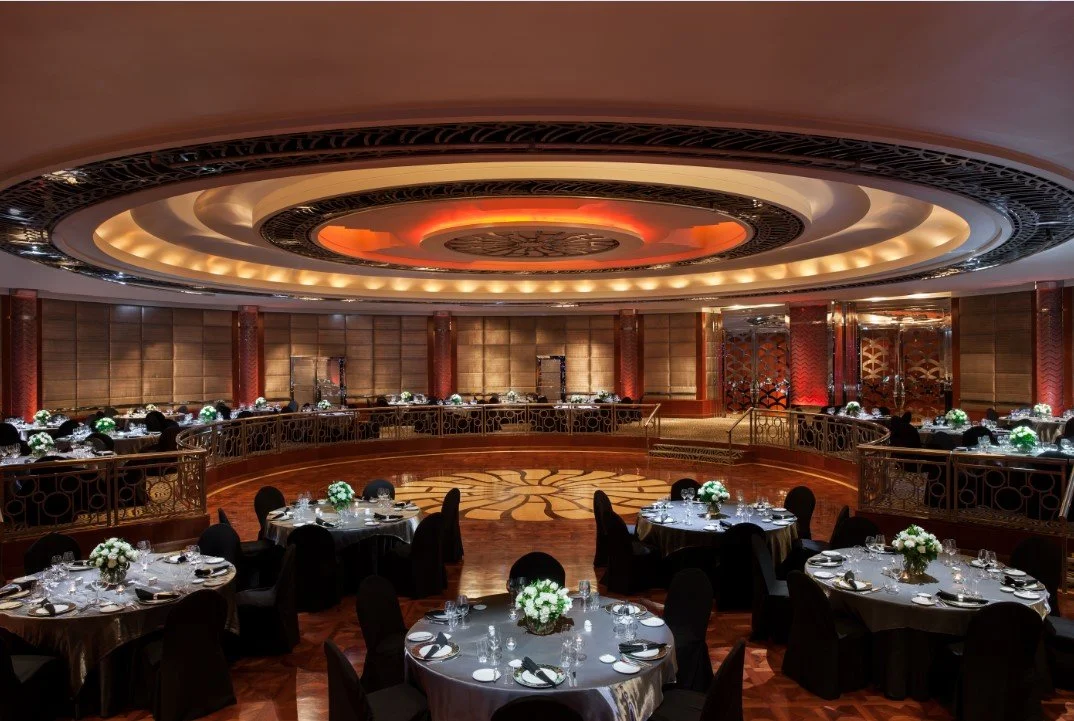
From hybrid formats to wellness-led experiences, these trends are shaping the future of events. Hyatt venues are designed to help planners stay ahead while delivering memorable, guest-focused events.
Hybrid events allow organisations to connect with wider audiences and offer flexible attendance choices. This approach supports accessibility, engagement and a professional experience for both in-person and remote participants.
Hyatt Advantage:
Hyatt properties, including Hyatt Regency Sydney, offer advanced audiovisual capabilities, high-speed connectivity and flexible room configurations. Planners can easily integrate live streaming, interactive sessions and virtual networking without compromising the premium feel of the event.
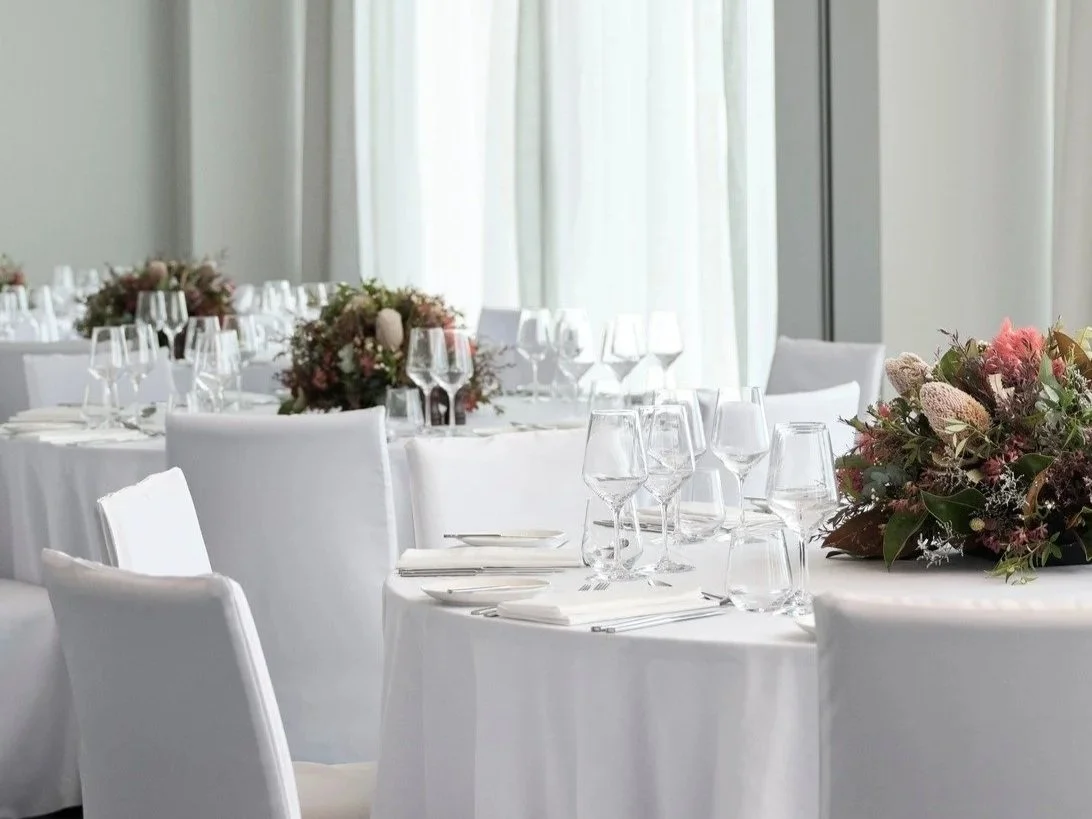
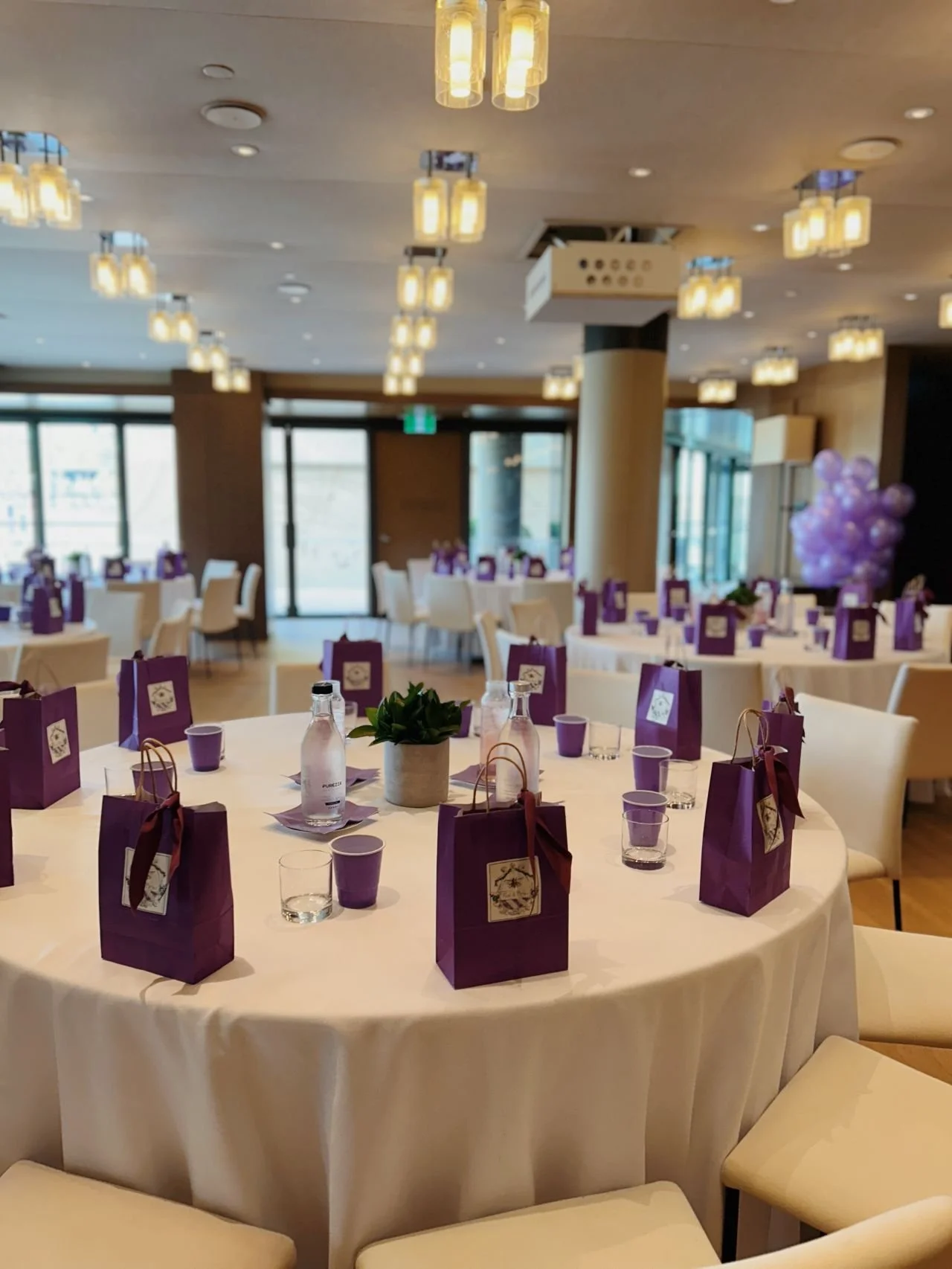
In 2026, personalisation is no longer optional, it’s expected. From curated menus to tailored seating plans, guests value thoughtful details that reflect the purpose and personality of the event.
Hyatt Advantage:
Dedicated event teams work closely with organisers to customise each element of the experience. Whether designing a themed gala dinner or a refined corporate luncheon, Hyatt ensures the event feels unique and meaningful to every guest.
Sustainability continues to shape the way events are planned. Eco-conscious choices, including low-waste catering, energy-efficient facilities, and locally sourced products, are now expected. Events that prioritise environmental responsibility are viewed more favourably by attendees and stakeholders alike.
Hyatt Advantage:
Hyatt venues implement responsible hospitality practices, supporting planners who want environmentally considerate events. This allows hosts to align their events with sustainability values while maintaining a luxurious atmosphere.
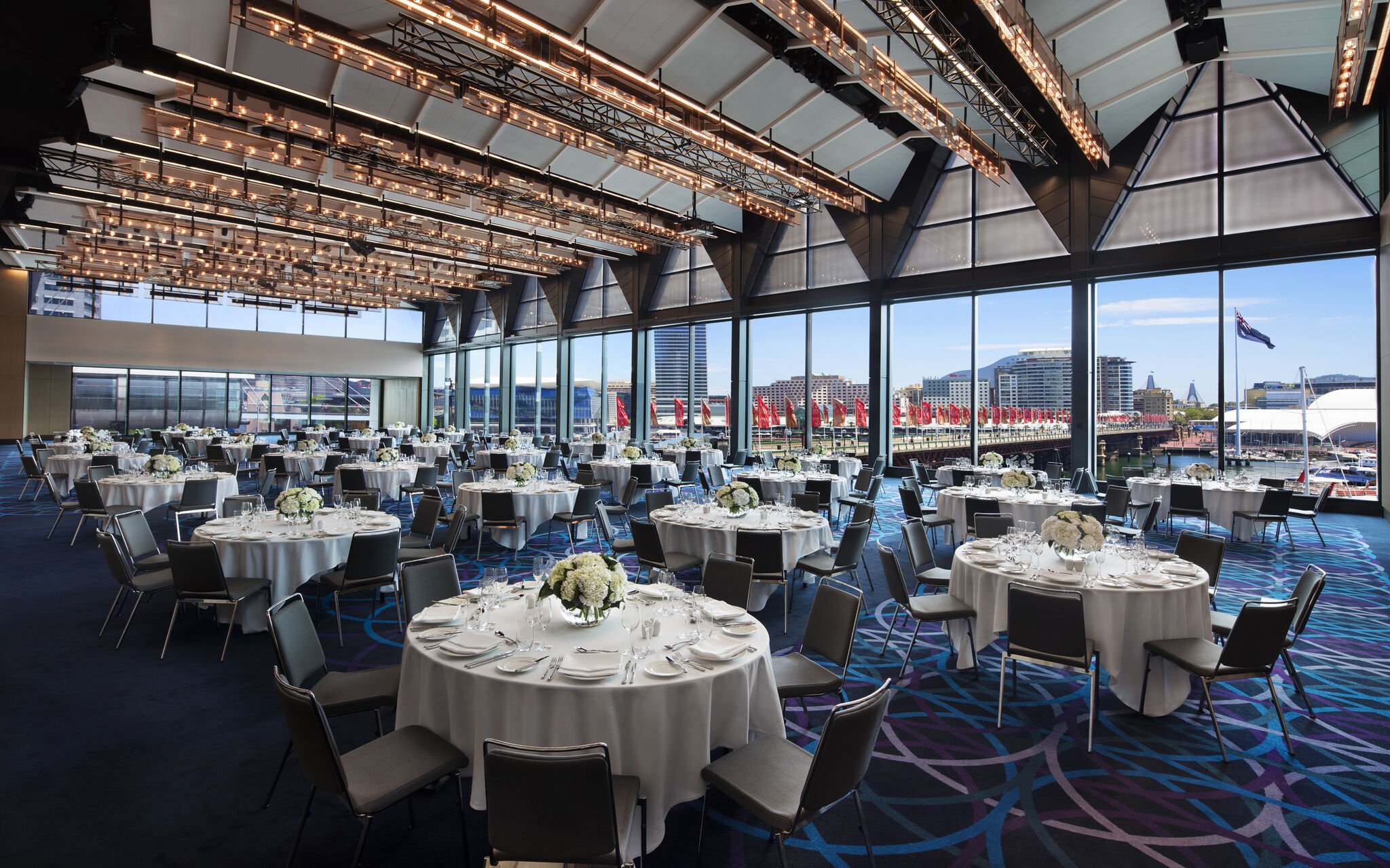
Flexible, multi-functional spaces are increasingly in demand. Planners want venues that can adapt to different formats, from workshops and networking sessions to gala dinners and award ceremonies. The ability to transform spaces quickly is crucial for efficiency and creativity.
Hyatt Advantage:
Hyatt’s modular event spaces are designed for versatility. High ceilings, movable partitions, and adaptable lighting allow a single venue to host multiple formats. Planners can create a seamless flow across sessions while maintaining a premium ambience.
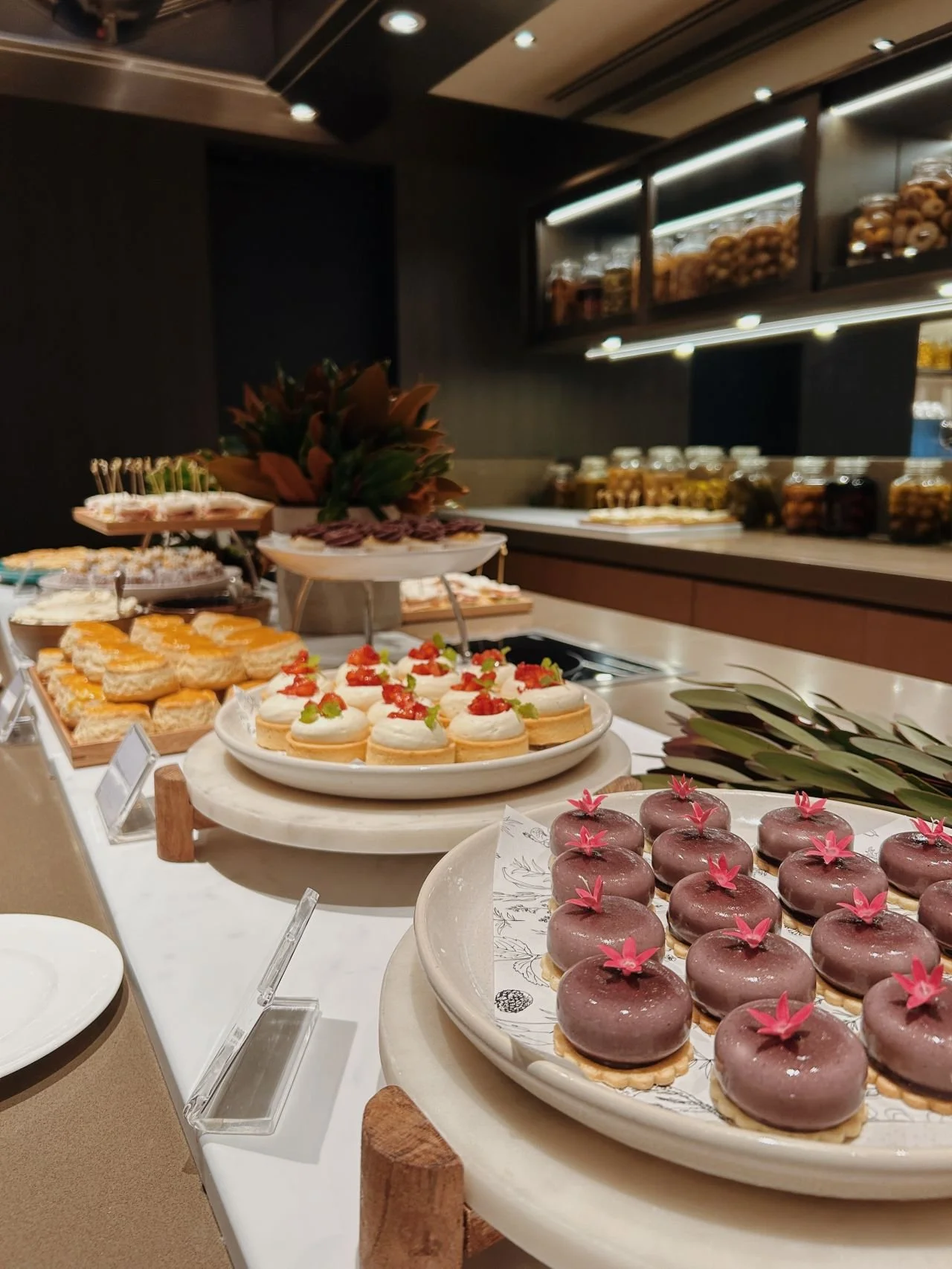
Experiential events create deeper engagement by appealing to all senses. This includes atmospheric lighting, visual storytelling, live demonstrations and interactive culinary moments. Learn more about creating unforgettable brand experiences.
Hyatt Advantage:
All Hyatt venues, including Grand Hyatt Melbourne and Hyatt Regency Brisbane, create immersive environments with customised décor, interactive installations, and experiential culinary offerings, transforming events into truly memorable experiences.
Wellness is now central to event planning. Attendees value activities that promote mental and physical well-being, including mindfulness breaks, healthy catering, and ergonomic seating. Prioritising wellness improves focus, productivity, and overall satisfaction.
Hyatt Advantage:
Hyatt integrates wellness into its event planning. Wellness-focused menus, spaces for relaxation, and optional post-event activities ensure attendees feel energised and engaged. This approach makes events more enjoyable and productive.
Event technology is no longer just a convenience. Tools for registration, attendee engagement, live polling, and analytics help planners deliver smoother events and accurately measure success. Explore further insights on emerging event technologies in our guide.
Hyatt Advantage:
Hyatt venues provide integrated technology systems and onsite technical support. This allows planners to run smooth and insightful events while maintaining a polished atmosphere.
The future of events is about flexibility, engagement, and memorable experiences. Hyatt’s luxury venues, exceptional service, and attention to detail ensure every event, corporate meeting, hybrid conference, or luxury wedding aligns with 2026 trends while exceeding expectations. Planners can focus on creativity and guest experience, while Hyatt handles the logistics, technology, and design to make every event seamless and unforgettable.
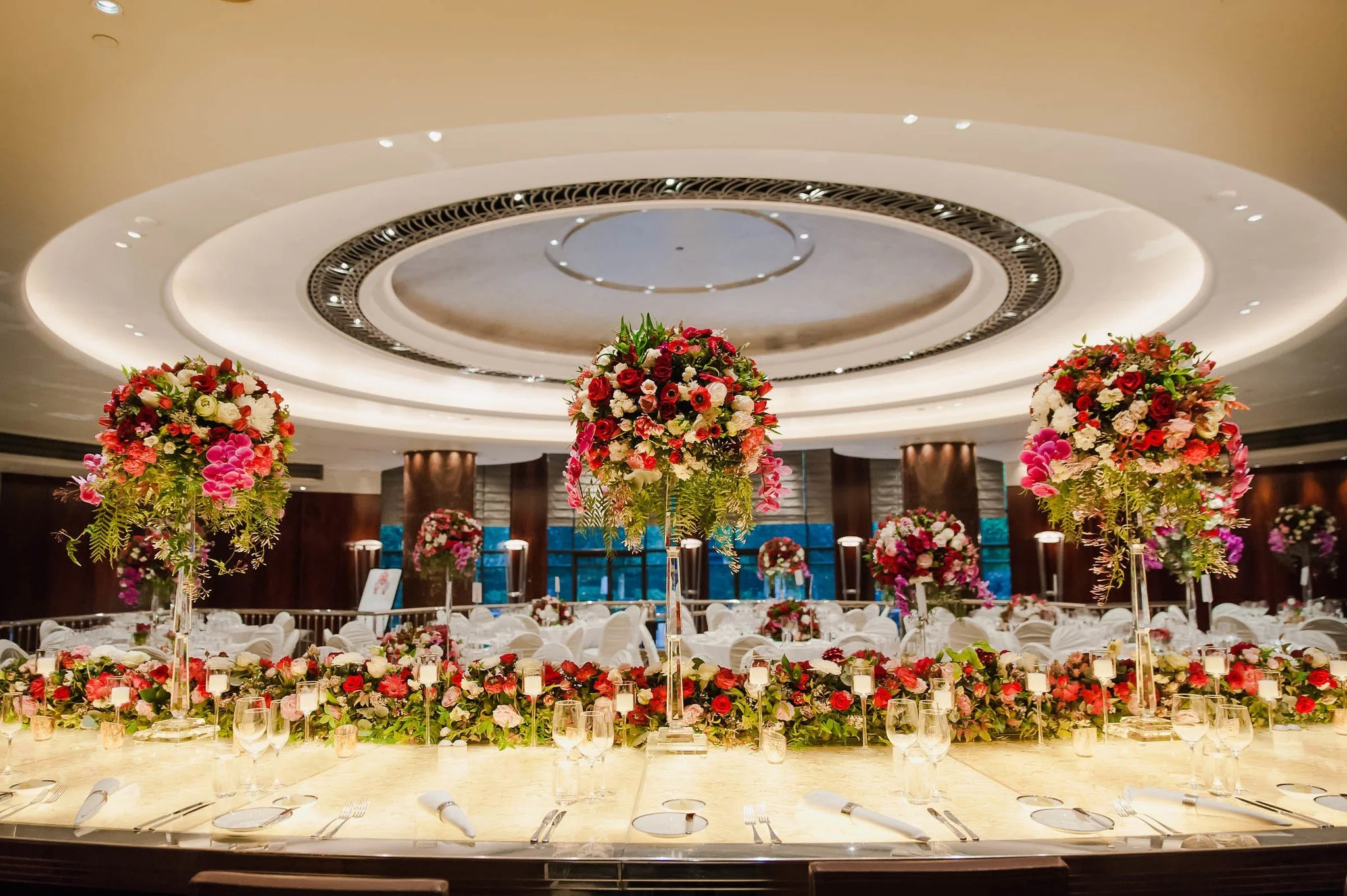
Call to Action: Explore Hyatt’s event spaces and start planning your next extraordinary event.
What makes Hyatt venues suitable for modern event trends in 2026?
Hyatt venues offer elegant spaces, advanced event technology and personalised planning, making them ideal for contemporary event needs.
How flexible are Hyatt event spaces for different group sizes?
Spaces range from intimate rooms to grand ballrooms and can be configured to suit varying guest numbers and event styles.
How far in advance should I book?
For peak seasons or large events, booking 6–12 months ahead is recommended.
Can guests stay onsite during events?
Yes. Most venues offer luxury accommodation with options for group bookings.
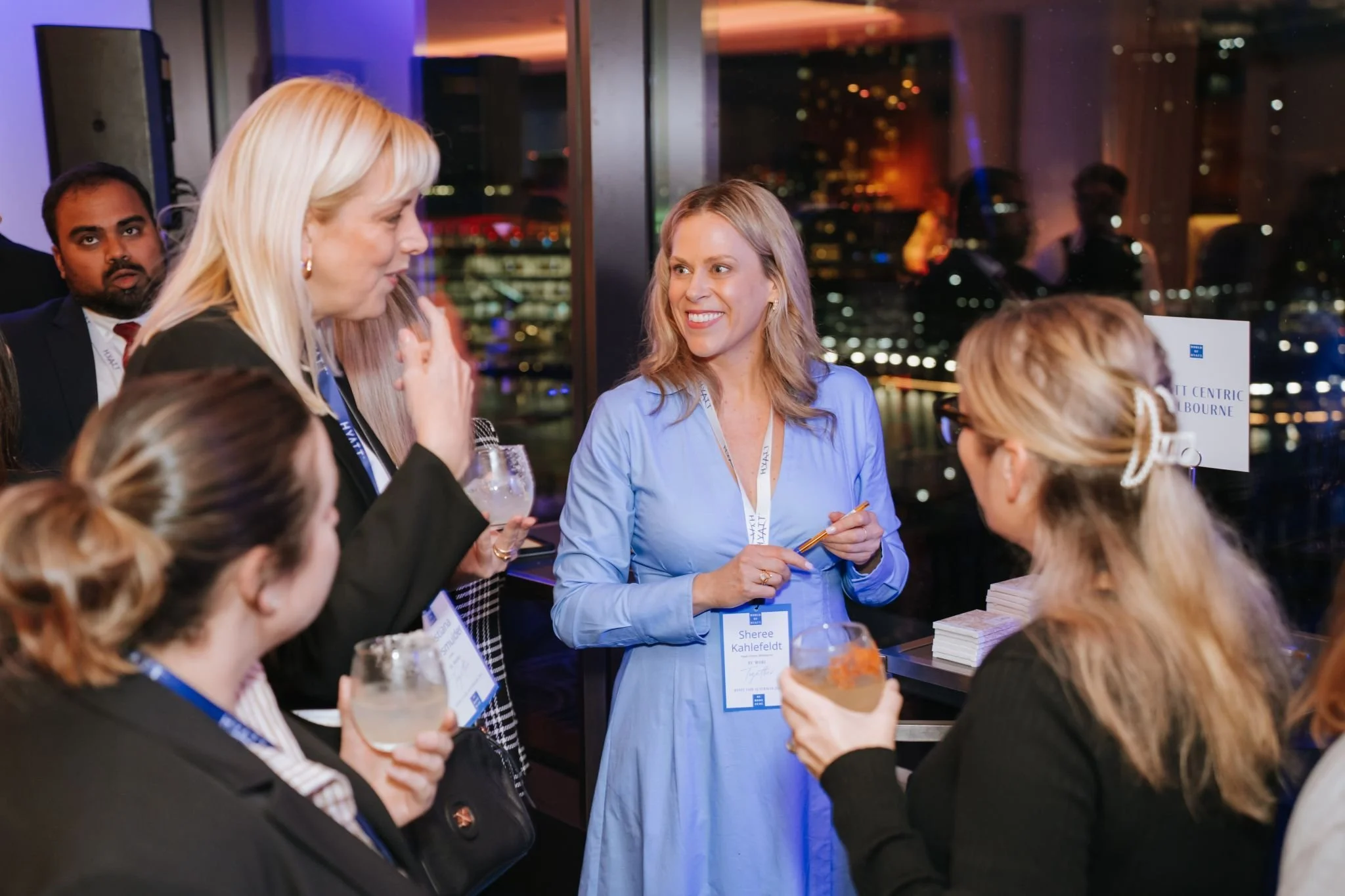
The city skyline sets the scene for your cocktail party, as guests mingle on a rooftop terrace, sharing ideas and building connections over crafted cocktails. Hyatt Events knows that a successful cocktail party is more than an occasion; it’s an opportunity to connect, engage, and celebrate. Our expert event teams deliver seamless experiences across Australia’s premier venues, ensuring every detail reflects your professional vision.
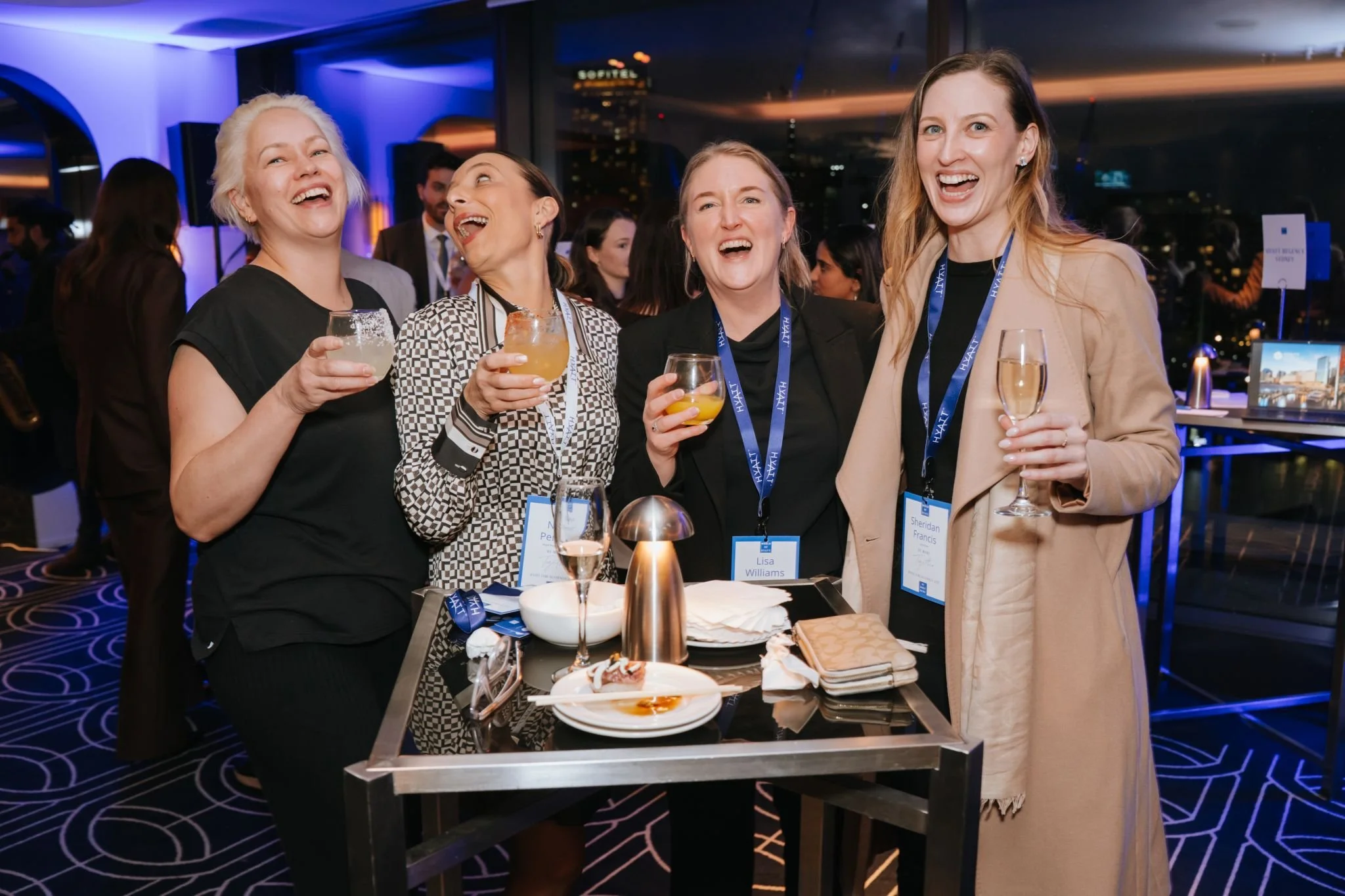
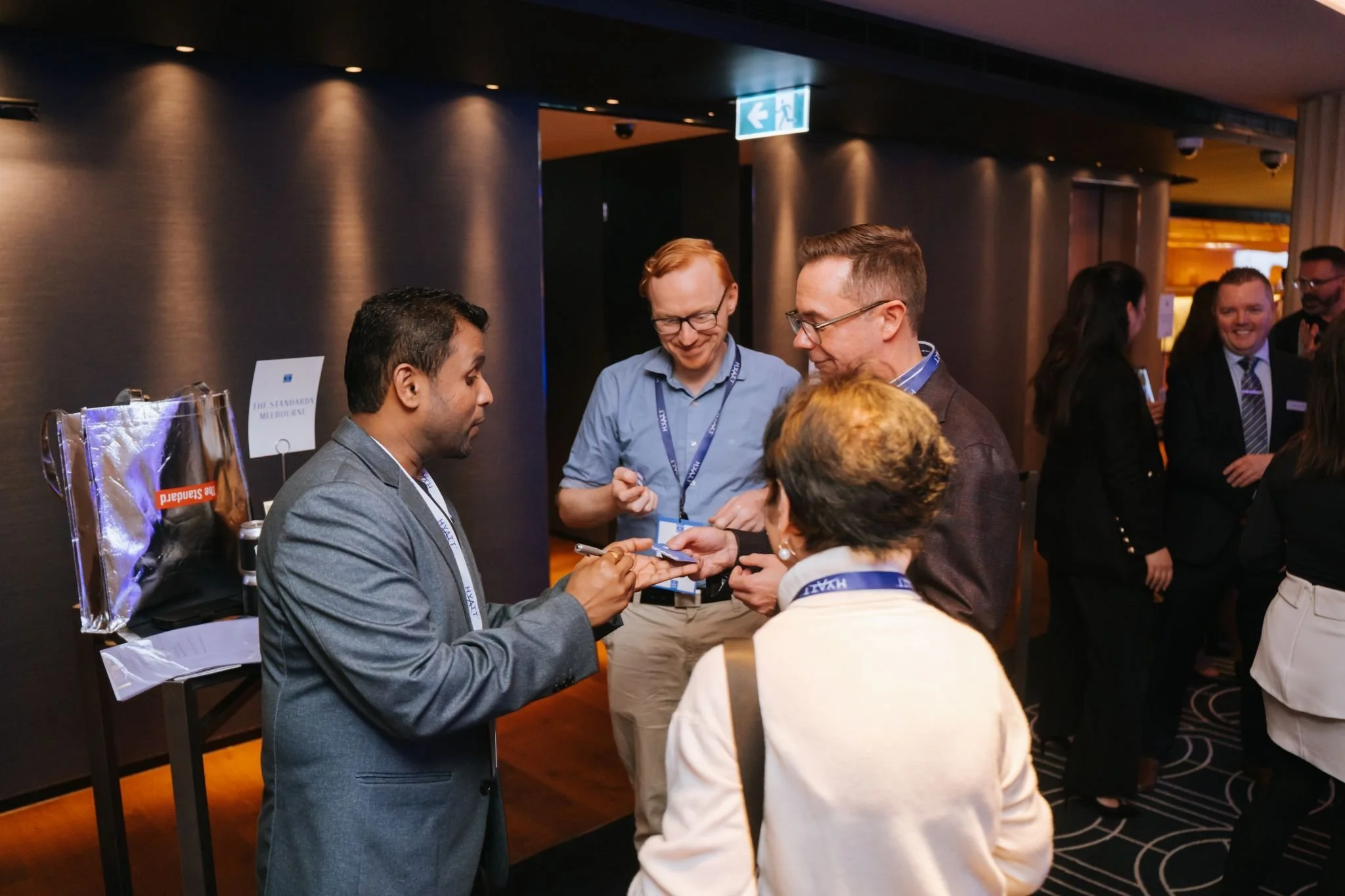
A cocktail party is a semi-formal event typically lasting two to four hours, designed to facilitate networking, client engagement, and professional relationship-building. Guests can enjoy premium beverages and light refreshments while moving freely throughout the venue, promoting natural interaction.
At Hyatt, we provide comprehensive event planning services to ensure your cocktail function runs efficiently and professionally. From tailored beverage programs to thoughtfully arranged spaces and attentive service, every detail is managed to support your objectives and create a productive, memorable event.
The venue plays a crucial role in shaping the tone of any event. Hyatt’s collection of luxury hotels across Australia provides exceptional spaces that blend contemporary design, outstanding service, and a commitment to excellence. Whether hosting a corporate milestone celebration, client reception, or team networking event, Hyatt delivers environments that reflect your organisation’s quality and professionalism.
Selecting the right venue is key to the success of any cocktail event. Hyatt’s Australian hotels offer flexible, sophisticated spaces that cater to a range of corporate needs, each supported by an experienced team to ensure flawless execution.
Urban Sophistication: Park Hyatt Melbourne features rooftop terraces and city-view ballrooms, ideal for professional networking, product launches, and executive gatherings in a central city location.
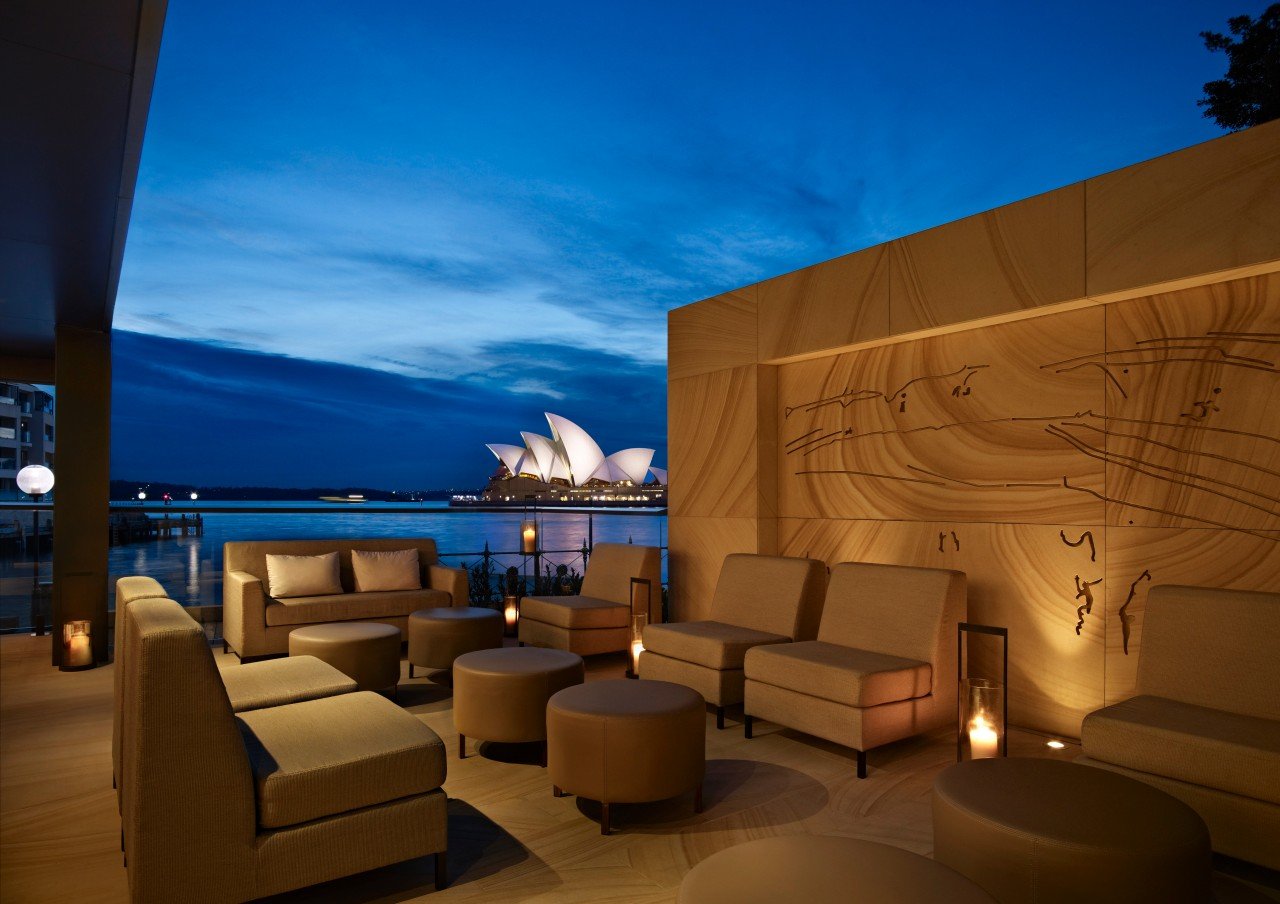
Coastal Elegance: Hyatt’s waterfront venues, including Park Hyatt Sydney and Hyatt Regency Sydney, provide open-air terraces and harbour views, perfect for client receptions or end-of-year celebrations in a relaxed yet refined atmosphere.
Heritage Charm: Grand Hyatt Melbourne showcases timeless architecture and elegant interiors, suited to formal corporate functions or high-level business receptions.
Each Hyatt property is supported by dedicated event specialists who manage every aspect, from venue setup and décor to catering and service, ensuring a seamless experience from start to finish. Explore Hyatt’s collection of event venues across Australia to find the perfect setting for your next corporate cocktail party.
Hyatt’s dedicated event specialists work closely with each client to understand their objectives and brand vision. From initial concept to post-event review, every detail is managed with precision to ensure a seamless, results-driven experience. Learn more about Hyatt’s streamlined planning approach in Business Event Planning Made Simple.
Our culinary teams design refined canapé menus and bespoke beverage programs that complement your event style. Each menu highlights seasonal Australian produce and premium ingredients, paired with signature cocktails or non-alcoholic options to suit every guest.
Hyatt’s venues are equipped with advanced audiovisual solutions to support presentations, branding, and ambient effects. Our on-site technical teams ensure smooth integration of lighting, sound, and visual displays throughout your event.
Hyatt integrates sustainable practices into every event. From locally sourced produce to eco-friendly service ware and energy-efficient operations, we help clients meet their sustainability goals without compromising quality or style.
A cohesive event theme strengthens your brand presentation and enhances guest engagement. Hyatt’s professional stylists can translate your business vision into a tailored setting that reflects your organisation’s identity and purpose.
Popular corporate styling concepts include:
Modern Luxe: Clean lines, metallic accents, and contemporary design, ideal for product launches and executive networking.
Tropical Chic: Vibrant, open-air settings with fresh, seasonal cocktails for summer celebrations.
Vintage Glamour: A sophisticated nod to classic elegance for formal receptions or milestone events.
Garden Soirée: Fresh botanicals and natural décor, perfect for spring corporate gatherings.
Personalised Details: Custom-branded cocktail menus, glassware, or signage to reinforce brand presence.
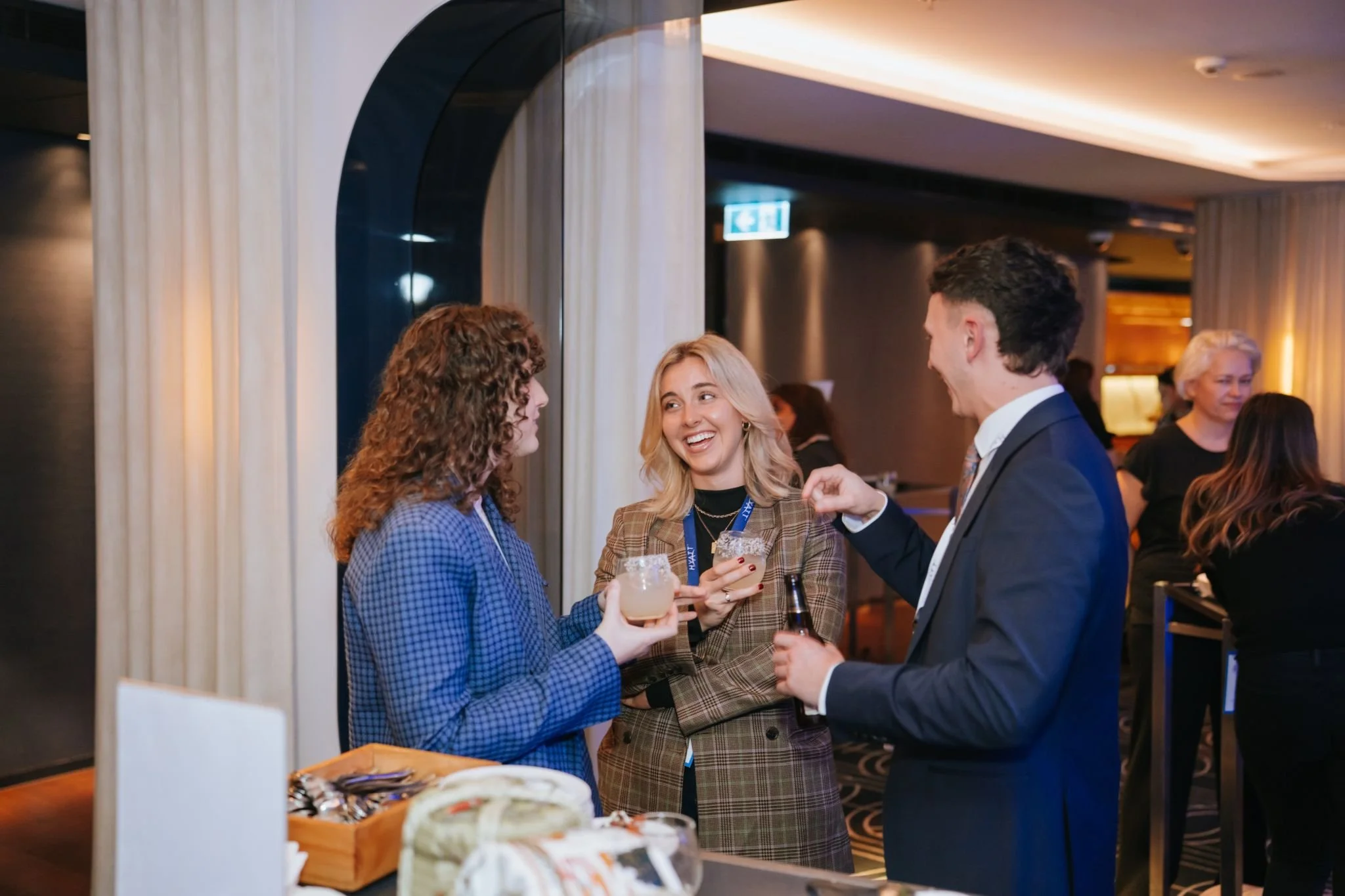
No cocktail event is complete without a refined drinks program. Hyatt’s mixologists specialise in creating signature cocktails and premium mocktails that complement your theme and season.
Guest favourites include:
The Coastal Spritz: A citrus-forward refreshment with native botanicals, ideal for outdoor venues.
The Velvet Martini: A modern interpretation of a classic, featuring Australian vodka and coffee liqueur.
The Garden Collins: A crisp blend of cucumber, elderflower, and gin with a sparkling finish.
The Sunset Negroni: A distinctive take on the original, infused with blood orange and rosella syrup.
To ensure all guests are catered for, Hyatt also provides premium non-alcoholic alternatives, including mocktails, sparkling waters, and alcohol-free wines, with hydration stations styled to complement your event design.
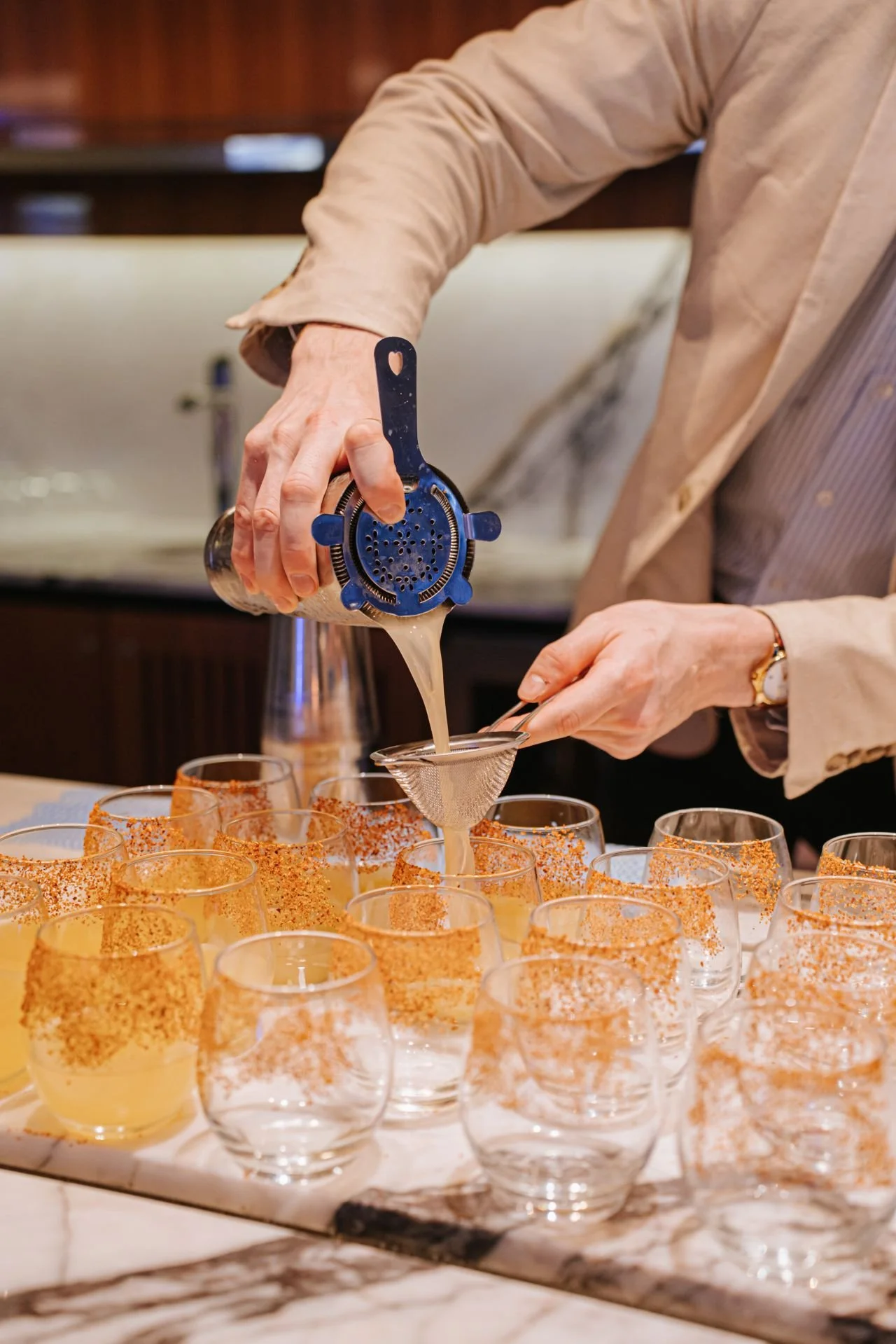
Hyatt’s event spaces are designed as versatile canvases that can adapt to your corporate identity and event objectives. Our approach to styling focuses on comfort, flow, and professional atmosphere.
Lighting: Layered illumination for warmth and focus, with accent lighting to highlight key areas such as bars or displays.
Music: Curated background playlists or live acoustic acts to maintain an engaging yet unobtrusive ambience.
Décor: Elegant furnishings and floral arrangements that align with your theme and brand aesthetic.
Flow: Strategic zoning for bar service, networking, and canapé circulation to encourage natural interaction.
Enhance engagement with optional interactive features such as mix-your-own cocktail bars, chef-led tasting stations, or branded grazing tables. These elements promote networking and create memorable talking points while maintaining a professional tone.
Every successful corporate event depends on planning and precision. Hyatt’s experienced event teams oversee all aspects of your function, from logistics and catering to lighting and service ensuring that everything runs smoothly and on schedule.
Our teams understand that the details matter the timing of canapé service, the temperature of beverages, the pacing of the evening. With access to premium catering, audiovisual solutions, and dedicated event coordinators, Hyatt delivers a seamless and stress-free experience for your business.
Whether celebrating a company milestone, hosting clients, or organising an executive networking event, a cocktail function at Hyatt offers the ideal setting for professional connection and celebration.
From intimate terraces to grand ballrooms, Hyatt’s venues are designed to support your vision and deliver exceptional outcomes for your guests.
Plan your next corporate cocktail event with Hyatt. Submit an enquiry here to speak with our professional event planning team.
Yes. Hyatt Events mixologists create bespoke signature cocktails tailored to your event theme, using premium spirits, native Australian botanicals, and seasonal ingredients. Non-alcoholic options are also available to ensure an inclusive experience.
A cocktail party is defined by refined simplicity. Guests should arrive on time, dress appropriately in cocktail attire, and engage courteously. Hosts are encouraged to maintain a welcoming atmosphere, something Hyatt’s professional service naturally supports.
Modern, interactive concepts such as Urban Elegance or Rooftop Sunset work best. These themes can feature branded glassware, mixology stations, and photo activations that encourage engagement while reflecting your brand identity.
Guests typically mingle, enjoy signature cocktails and canapés, and connect in a relaxed setting. Activities may include toasts, interactive bars, photo moments, and live entertainment—without the structure of a formal program.
To secure preferred venues and dates, bookings should be made six to twelve months in advance, particularly during peak seasons (October to March).
Yes. Many Hyatt properties, including Hyatt Centric Melbourne and Hyatt Hotel Canberra, offer terraces and garden venues with comprehensive weather plans to ensure a seamless experience, regardless of conditions.
Hosting a business event is about more than logistics. It is about creating moments that inspire, connect and leave a lasting impression. Whether you are organising corporate meetings and events, unveiling a new product or curating corporate team building retreats, every detail counts.

Business event planning is all about bringing people together for professional reasons. Think corporate meetings, conferences, product launches, networking mixers, incentive trips, or team-building retreats. It’s about ensuring that everything, from selecting the perfect venue to organising food, technology, and follow-ups, comes together smoothly to achieve the organisation’s goals in a way that feels engaging and purposeful.
When deciding how to plan a business event, the venue sets the tone for every interaction. Hyatt’s collection of beautifully designed hotels and resorts provides the perfect backdrop for seamless, sophisticated gatherings. With expert planners, elevated catering and versatile spaces, business event planning becomes a refined and rewarding experience.
Hyatt venues are strategically positioned in key Australian destinations, from Sydney’s iconic harbourfront to Perth’s riverside precincts, and Canberra’s cultural centre. These locations ensure that seminars and conferences are both convenient and inspiring for your attendees. Plan your next event with Hyatt Hotels.
Hyatt offers spaces that suit any style or scale of event. Grand ballrooms are perfect for business conference planning or product launches, while private boardrooms and terraces are ideal for networking events or intimate corporate dinners. Every space is thoughtfully designed to foster connection, collaboration, and creativity.
Hyatt’s event teams are more than planners; they are partners. They provide guidance from conference planning tips to bespoke catering, anticipating your every need to ensure a seamless experience for organisers and guests alike. Speak directly with a Hyatt specialist.
Hyatt’s approach to corporate event planning ensures every detail is addressed while keeping the overall experience luxurious and engaging.
Clarify the purpose of your event, whether it’s to launch a new product, host incentive trips, or develop new corporate retreat ideas. Set measurable goals, such as attendance targets, delegate satisfaction or lead generation. Early budget allocation ensures each decision aligns with your objectives and desired impact.
Pro tip: Communicate Early
Share event details early to boost registration, set expectations, and prepare attendees for your seminars, conferences, or team-building retreats.
Select a Hyatt property that complements your event’s tone and purpose. Need flexible breakout rooms for seminars and conferences or open spaces for corporate team building retreats? Hyatt venues across Australia, from Hyatt Regency Sydney to Park Hyatt Melbourne, offer adaptable spaces to suit any format or group size.
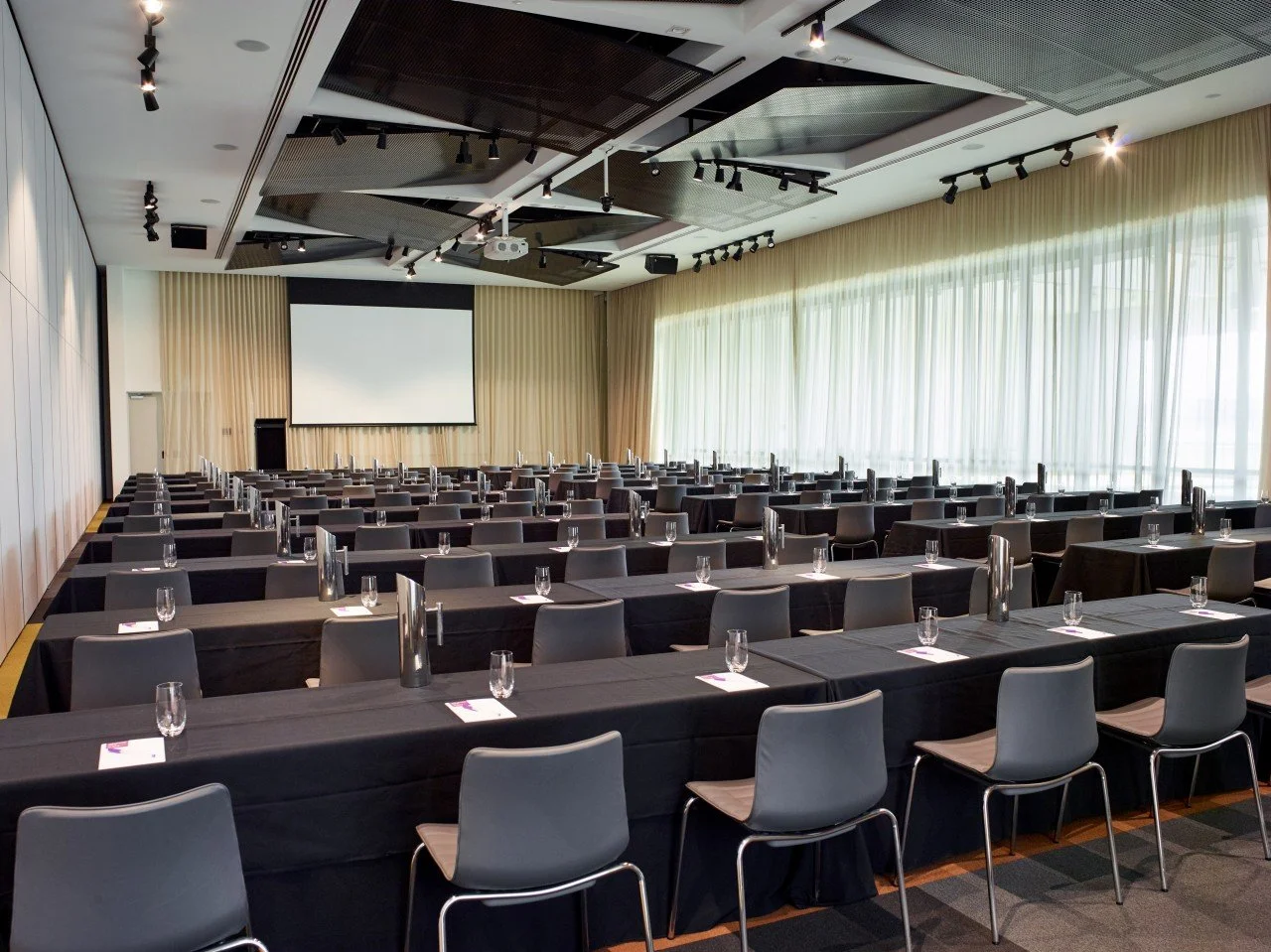

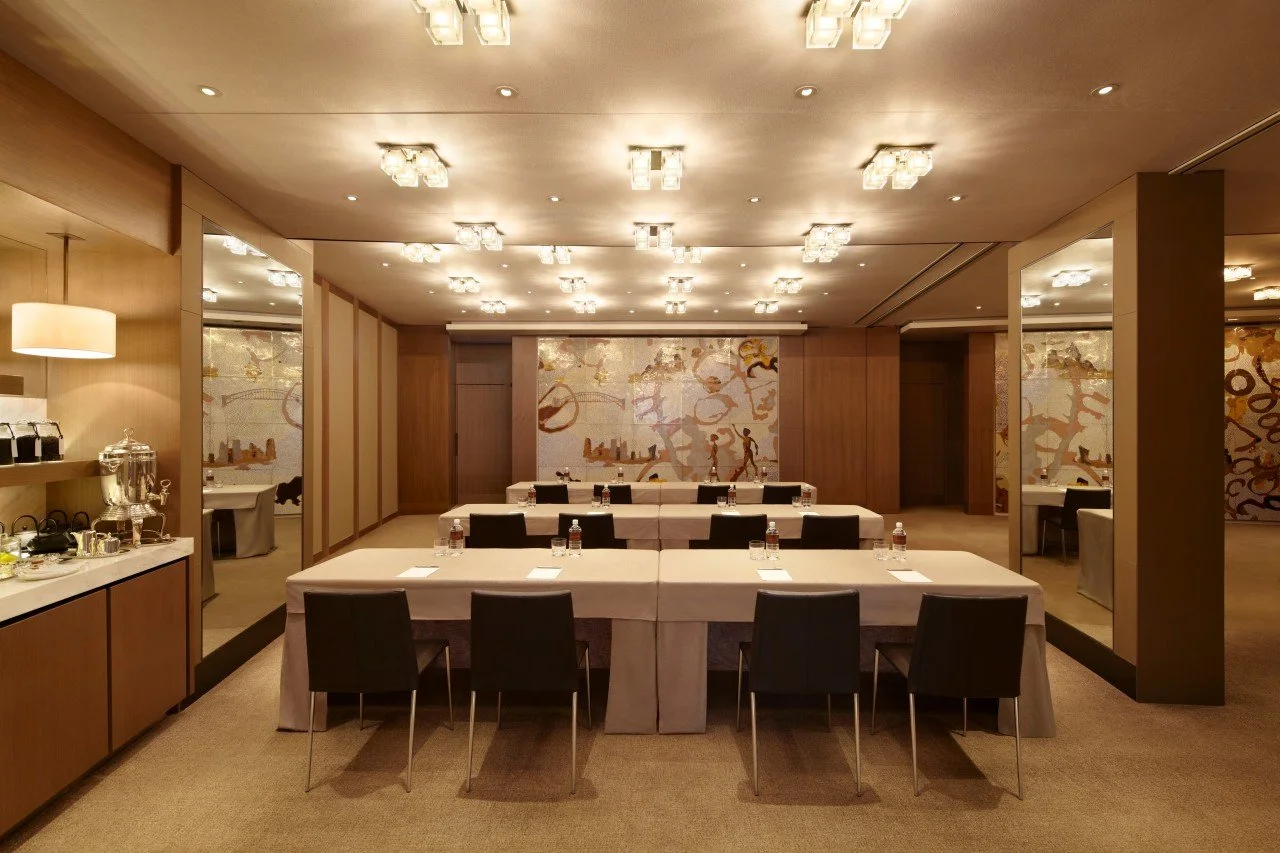
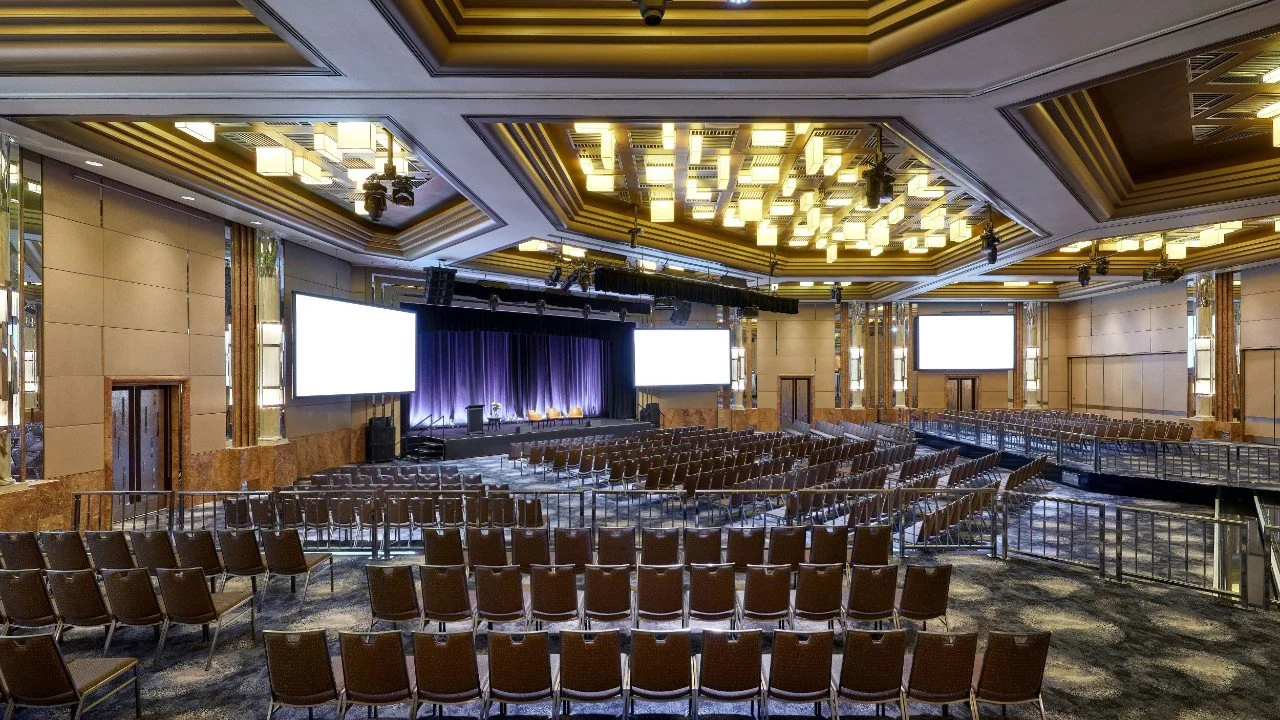
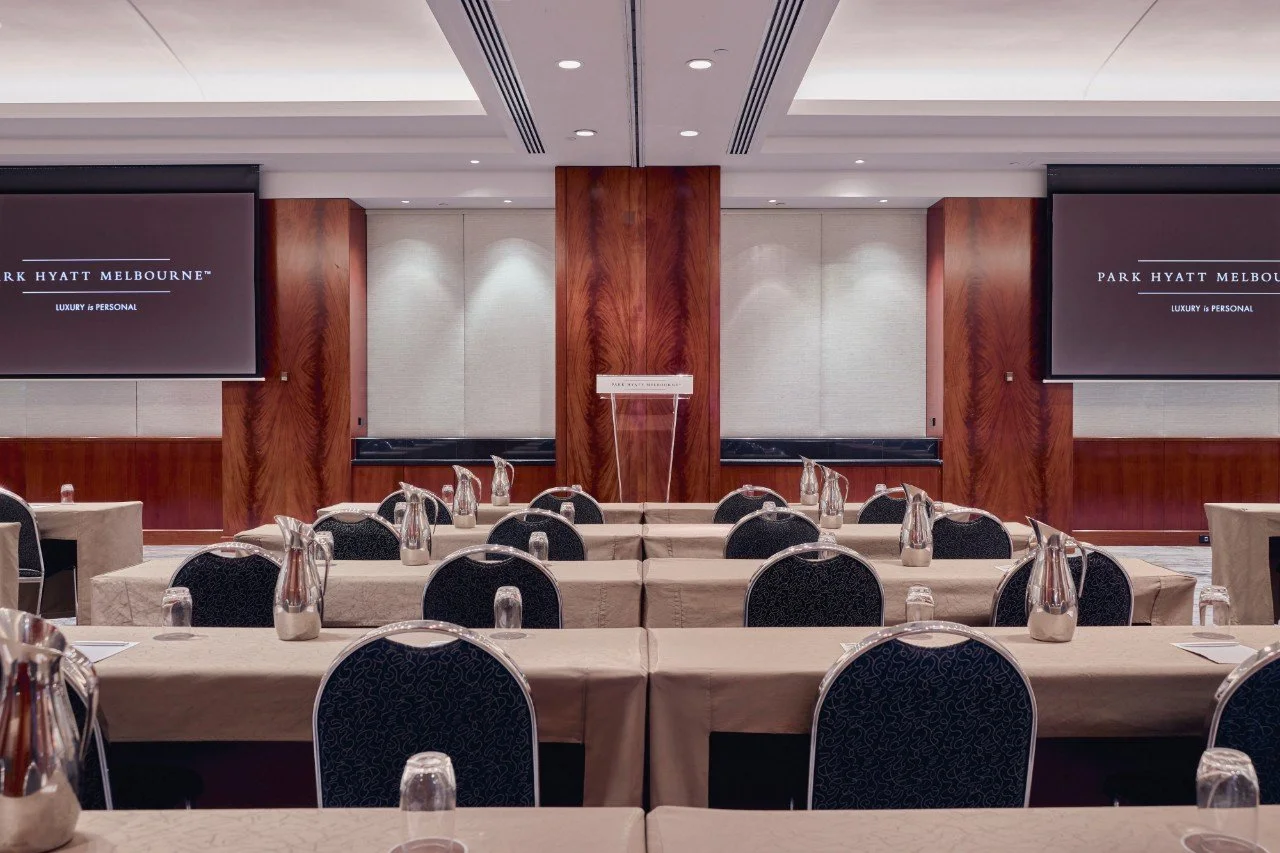
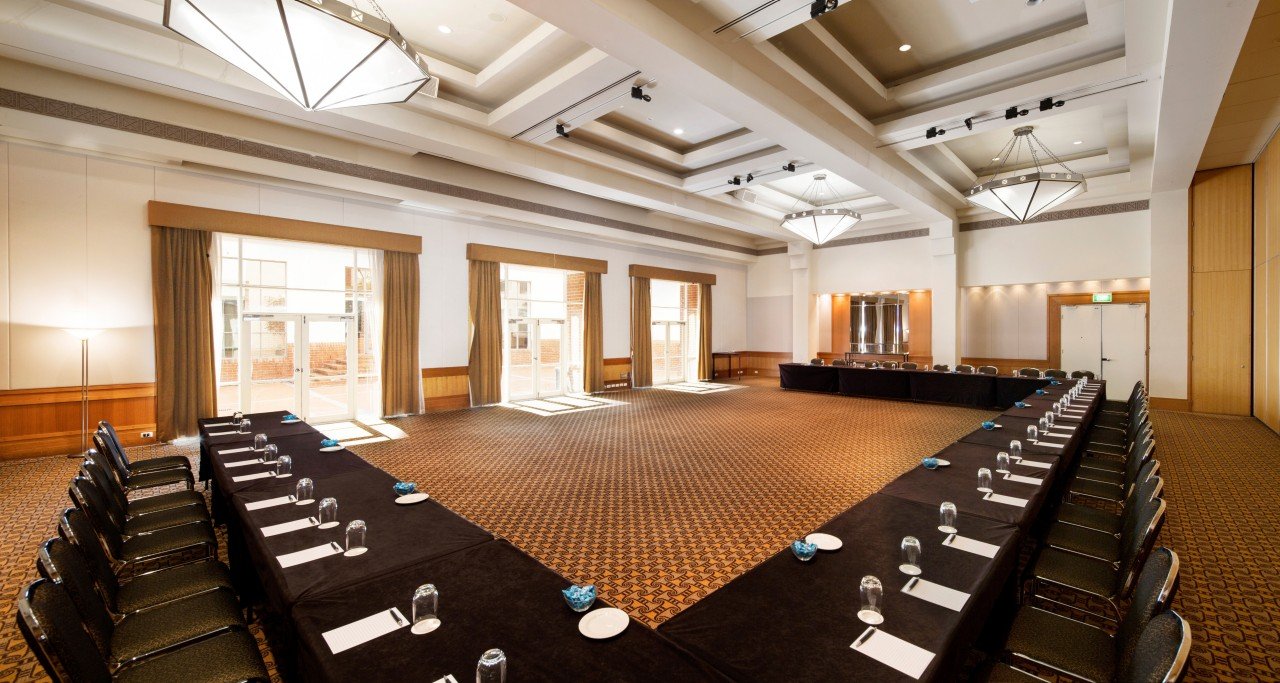
The layout should support engagement and interaction. Hyatt’s team helps design smooth transitions from plenary sessions to workshops, networking moments, and social events. Every space is configured for comfort, elegance, and productivity.
Food is central to the attendee experience. Hyatt’s culinary experts design menus using seasonal and local Australian produce, tailored to your audience. From elegant plated meals to interactive stations, catering can energise your business event while reflecting your brand’s sophistication.
Hosting a hybrid or fully in-person event? Hyatt’s got you covered with slick AV setups, seamless live streaming, and fun interactive tech to keep your business conference running smoothly and everyone totally engaged.
Tips for a Flawless Event Experience
Communicate Early: Invitations and event details shared in advance.
Leverage On-Site Specialists: Hyatt manages setup, AV, logistics, and last-minute adjustments.
Gather Feedback: Post-event surveys refine future business events.
A clear timeline is critical for managing a luxury business event. The event planning for smaller events can begin later than for big events like conferences.
Now your business event vision starts to take shape. Begin with goal-setting, budget approval, and identifying the type of event, whether a conference, corporate retreat, networking event, or product launch. Start shortlisting Hyatt venues and exploring event packages.
Confirm objectives and KPIs
Approve and allocate budget
Shortlist Hyatt venues and schedule site visits
Consider local event calendars and avoid conflicts
With the vision set, it’s time to secure the essentials and outline the guest experience. Confirm rooming blocks, suppliers, speakers, and sponsors. Begin registration campaigns and draft the event programme.
Finalise venue and rooming blocks with Hyatt
Secure key suppliers, speakers, and sponsors
Begin registration and marketing campaigns
Draft preliminary programme and layout
Details start coming together as you focus on catering, technology, and session flow. Ensure hybrid options and AV needs are identified, while keeping attendees’ comfort and engagement in mind.
Begin discussions for AV and hybrid technology
Confirm preliminary catering requirements
Align programme sessions and speaker schedules
Continue marketing and registration management
This is the time to lock in final details. Work closely with Hyatt’s event specialists to ensure menus, technology, and layouts are finalised, and staff assignments are clear.
Lock in catering and dietary requirements
Finalise AV and hybrid technology setups
Conduct venue walkthroughs and confirm floor plans
Begin staff briefings and role assignments
Ensure smooth execution by distributing run sheets, confirming insurance, and rehearsing critical elements. Double-check every detail to avoid surprises on the day·
Distribute the run sheet 72 hours prior
Confirm insurance and permits are secured
Conduct final rehearsals with speakers, moderators, and technical teams
Align all Hyatt contacts and suppliers
It’s showtime! Focus on delivering a flawless experience while monitoring attendee satisfaction. After the event, gather feedback and analyse outcomes to enhance future business events.
Execute the event with precision
Monitor attendee experience and handle last-minute adjustments
Send post-event surveys to attendees and stakeholders
Review outcomes against KPIs to inform future corporate meetings, networking events, and retreats

Start planning early and secure your venue first.
Run a technical rehearsal for AV and hybrid sessions.
Curate networking moments intentionally.
Highlight local experiences to give your event a distinctly Australian flavour.
Keep detailed notes and checklists for future business event planning.
Ready to start planning? Discover Hyatt’s current event offers and create a bespoke experience for your guests.
The seven stages of business event planning begin with defining clear objectives, followed by setting a budget and timeline. Next, choose the ideal Hyatt venue in Sydney, Melbourne, Perth, or Canberra to match your event’s purpose. Design the attendee experience through thoughtful catering, technology, and ambience, then coordinate logistics such as AV and accommodation. During execution, Hyatt’s event experts ensure everything runs flawlessly. The final stage is evaluation and follow-up, reviewing feedback and results to refine future corporate meetings and events.
For larger corporate meetings, conferences, or product launches, it’s best to start planning 9–12 months to secure your preferred Hyatt venue and suppliers. Smaller seminars or networking events can often be organised in 3–6 months, depending on scale and location.
Hyatt’s Australian hotels are designed to host a wide range of corporate gatherings, including seminars and conferences, networking events, incentive trips, product launches, and corporate team building retreats. Each space can be tailored to reflect your brand’s tone and objectives.
Hyatt offers bespoke corporate retreat packages that combine business with wellness, recreation, and cultural experiences. Whether it’s a team building retreat in regional Victoria or a coastal leadership getaway in Queensland, Hyatt curates spaces and itineraries that foster connection and collaboration.
What did you love about the venue for creating an event?
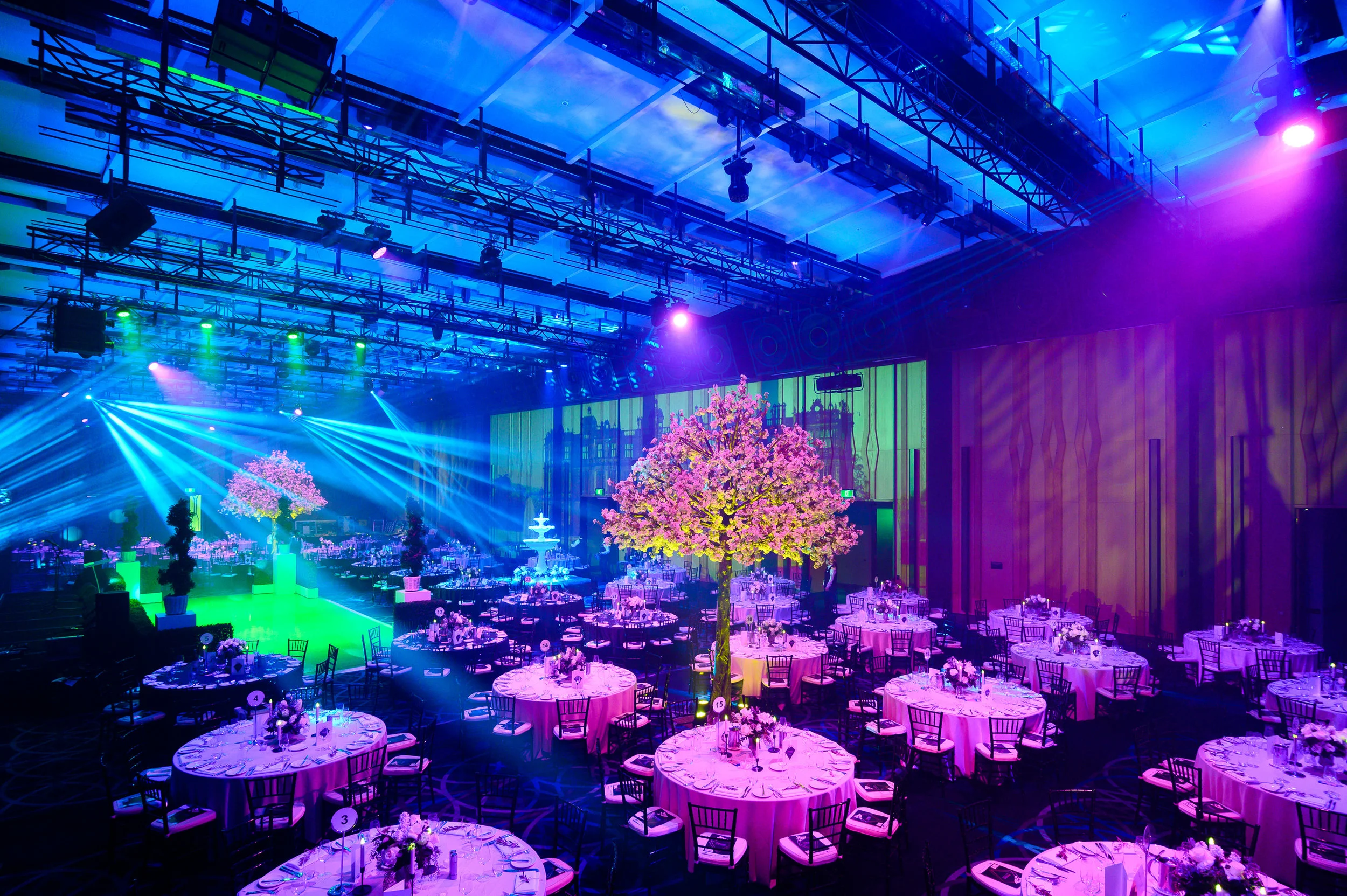
The staff! From sales and event management, through to banquets, all the staff were all amazing to work with. Hyatt Regency Sydney has spectacular views of Darling Harbour, a large event space with easy access and brilliant location.

How did you decide on the theme for this event?
It was a concept that I had envisioned for a while.
What inspired you with this event?
The English Countryside
What was your favourite part of styling this event?
The operating fountain, 5m cherry blossom trees and the 5m x 20m projection map of English Manor on the back wall.


What part of this event was unique?
The vinyl decal on the dance floor to create a ‘great lawn’, bordered by boxed hedging and topiary trees.
What are your favorite themes to work with?
Cultural themes exploring foreign cityscapes and landscapes.
What are your tips for ensuring an event runs seamlessly?
Great suppliers! Making sure that all stake holders are well briefed and have a full understanding of the client’s expectations.


What are your 5 tips for planning an event?
Only work with suppliers that you can trust and rely on.
Ensure you are clear and concise in your communications to all stakeholders.
Have a clear vision of what you are trying to achieve.
Be a strong team leader. It takes a small village to create a memorable event.
Love what you do and have fun!
Who were the clients you worked with for this event?
- Live Productions - AV and production
- The Styled Co - Stylists
- Bermuda Social - Entertainment

Where do you gain inspiration from for look and feel of events?
Everywhere. Sometimes an idea can stem from an everyday object, colour, sound or even smell. Always be open to possibilities.
What has been the most outrageous item you have been asked to have at an event?
To cover a 290 degree glass wall, overlooking Auckland in a transition film that switches from opaque to clear in less than a second, whilst projecting an aircraft flying around the room and landing on the stage.
What are the current trends?
I prefer to follow my own instincts, not trends.
What does your typical customer look like?
Corporates, private societies and associations.
What has been your most expensive event?
$1.2M budget
How early do you need to start planning for an event?
Most of the time we have the luxury of at least 12 months, but at times this can be reduced to weeks prior!
What could typically go wrong at an event?
So many things can go wrong, the important thing is how you manage it and minimalize the impact on the overall event.


Images by The Production House Events and Clinical Images.
What did you love about the venue for creating an event?
The grand hotel entrance, along with the location. The venue is also reliable, has high ceilings and offers accommodation.
How did you decide on the theme for this event?
We work with The Collaborative, a creative alchemists and event engineer’s team.

What inspired you with this event?
Fashion Week.
What was your favourite part of styling this event?
Stage backdrop and ceiling installation.
What part of this event was unique?
The theme and backdrop.
What are your favourite themes to work with?
Anything new and exciting.
What are your tips for ensuring an event runs seamlessly?
Attention to detail, communication, problem solving, negotiation, multitasking, budgeting, creativity, set your staff up to succeed, use technology to streamline event logistics, plan ahead and plan for the unknown.

What are your 5 tips for planning an event?
1. Plan ahead and plan for the unknown
2. Start with the dream then get real, it’s easier to edit than to add.
3. Know your budget and be strict with the budget, choose a reliable venue, deal in detailed contracts.
4. Minimize on last-minute changes.
5. Embrace multitasking whilst keeping a sense of humour.
Who were the clients you worked with for this event?
The Collaborative and Encore.
Where do you gain inspiration from for look and feel of events?
Pinterest, social media (Instagram) and Fashion Week.
What has been the most outrageous item you have been asked to have at an event?
A client once asked for all the lights on the cruise ship to be turned off, as it was interfering with the ambience of the event. The event wasn’t on the cruise ship.

What are the current trends?
1. Meaningful Diversity in Programmes & Panels | Diverse speakers nurture new views and ideas – engaging a wider audience, fed up with all-male panels.
2. Conversations, not presentations | When attending a presentation, delegates want to vote, ask questions, and add their thoughts in real-time.
3. Extraordinary venues for extraordinary conferences
4. Event app reach the next level | Event apps will begin to incorporate networking, integration, AR and VR functionality.
5. Event apps for data collection | Organisers will use data from every tap, scroll and swipe to improve their next conference.
6. Virtual Conferencing gains ground | Improved live video and VR technology means anybody with a smartphone can attend, or event present at, your next conference.
7. Create a community & extend the conference | Organisers will create platforms to engage and connect delegates, all year round.
What does your typical customer look like?
APAC, channel professionals (Vendors, Distributors and Reseller Partners).
What has been your most expensive event?
EDGE, is an action packed 4 day conference. High-level content and compelling insights, keynotes from inspirational leaders, business presentations, workshops and sessions, formal 1;1 meetings, ice break sessions, informal networking, activities and the EDGE cup.
How early do you need to start planning for an event?
Depends on the size of the event and all the elements, the average would be 8 months.
What could typically go wrong at an event?
Unexpected weather, attendees drop out or no shows, a speaker drops out, speaker goes way over time, scheduling is off, technology failure, event is short staffed, delayed flights, major transport disruption.

MAGGIE DIASINOS
Senior Director of Sales - MICE
Hyatt Sales Force Pacific
M: +61 413 053 445 E: maggie.diasinos@hyatt.com
What is your position at Hyatt? And how long have you been in this position for?
Senior Director of Sales – MICE (Meetings and Events). I have worked in the global sales office managing the events market for 4.5 years
Where did you work before Hyatt?
Previous to Hyatt I worked in the corporate sales offices for IHG and EVT (formally AHL) managing the meetings and events market.
What does a usual day look like for you?
I never have a usual day which is why I love what I do. I have days where I am meeting with event planners, to discuss how we can partner on a program to create a memorable experience for their delegates. The following day I could be on site with a hotel team watching an event in full flight. Working in the global sales offices, I also have days meeting with tourism bureaus to discuss a destination and review how we can curate programs, in that destination that cannot be experienced anywhere else in the world.
What do you love about your job?
I love having the opportunity to create a memorable experience for clients on a daily basis. I love working in a creative industry, filled with industry professionals that are passionate at what they do, and we all have fun doing it!
What are some impressive and memorable events that Hyatt hotels in Australia have hosted?
We recently had an event at Hyatt Hotel Canberra to gather industry professionals across the country to discuss the meetings and events industry. The hotel worked with key local suppliers to take the attendees on a journey of Canberra as a destination as we didn’t have time to leave the hotel based on limited time for the program. Our guests started in a courtyard that was transformed into a farmer’s market where they could meet the owners of local brewery’s, distilleries and produce suppliers to discuss their local delicacies. We then moved into a ballroom for dinner were guests dined on an elevated stage and finished with dessert in the presidential suite. Take a moment to view our video of the evening to see the event in full flight here.
What are some interesting incentives ideas that clients could or have used at each hotel?
At Hyatt hotels we love working with agencies to push the envelope to deliver experiences unique to each destination. Some recent events we have curated is as follows:
o Dinner on the Great Wall of China
o Converting a warehouse in Shanghai for a luxury car launch
o Closing down a key boardwalk in Sydney in front of Park Hyatt Sydney to create a runway with views of the opera house for a fashion launch
o Barefoot gala dinner on the beach in Danang, Vietnam
What has been your favourite meeting or event to work on?
Recently the team at Park Hyatt Sydney created a dinner around the four elements, earth, wind, air and fire! The chefs created a floating amuse bouche where guests found their meals floating on helium balloons. Seafood dishes served on dry ice and entertaining dessert displays where guests were spoilt with an abundance of indulgence. Every course had a story and an element of surprise. It was enjoyable watching our guests’ reaction to every course and they could not wait to see what would be revealed next!
What are your 5 tips for planning an event?
1. Know your audience
2. Know your audience’s objective for meeting
3. Surround yourself with a strong team who understands the purpose of the event and the outcomes the end client wants to achieve
4. Partner with a venue who has the same desire to deliver a successful event and ensure they are aware of the key outcomes for the event.
5. Have fun during the process. By doing what you love you will inspire and awaken the hearts of others!
What is the most outrageous request from a client you have received and haven’t been able to deliver?
The beauty of having clients who are creative is they love to think out of the box, we love to work with most ideas where we can. As a company we try to accommodate all requests, the only limitations at time can be the budget for a project. I always think, imagine what we could create if we had endless budgets and time to play with!
For most event professionals, maximising ticket sales - and ideally selling out your event - is priority number one. How do you ensure that every last place is filled? Here are our top 10 tips on increasing attendance at your next event. Get your waiting lists ready...
1. Promote your event on multiple platforms
Don’t wait for your audience to come to you. Look beyond your own website, databases and all of your social media profiles (where you definitely should be promoting your event anyway). Create a highly searchable Facebook event and add details to free event directories, that target the local area or relevant areas of interest. This allows you to sell tickets or collect registrations through popular reselling sites like Eventbrite. Consider pitching event listings as early as possible to relevant media and publications that have “what’s on”-style sections too.
2. Give it time
Every single detail doesn’t have to be 100% locked in before you begin selling tickets or taking RSVPs. If you don’t have a high budget for promoting your event, more lead time ahead of it can often counteract this, particularly for high cost events where attendees may need time to save up. Plus, revealing details as you go along can help to build excitement. So start your selling period now.
3. Optimise your website for mobile
Studies show that most people now access the internet via mobile. Time to make sure your website is super streamlined on those devices, as well as PC! It’s important that people can easily and quickly purchase tickets or register their attendance from their phones. Try to minimise the amounts of clicks visitors have to make before they purchase. You could even test how hard it is to find and buy tickets by asking a friend or colleague to try the process without your directions.
4. Choose your words carefully
Keywords are crucial so that people browsing Google and other search engines can find out about your event; that’s the heart of SEO. Try to identify and use relevant words, key phrases and terms that people who might be interested in your event would search for naturally. Use them regularly. Same goes for choosing hashtags for social media platforms like Instagram and Twitter (don’t use them on Facebook; posts with hashtags actually tend to get fewer views there).
5. Advertising: Just do it
Whenever possible, do set aside a budget for advertising the event. Whether that be through straight-up digital, print, outdoor ads, sponsored advertorial or by boosting social media posts. Even old school flyers and other printed collateral can work depending on the event. The most important thing is to target your audience through demographics like age, location, interests, job title and even gender.
6. Partner up
Reach out to sponsors and recognisable brands, that match or complement your brand and event for cross promotion. Event sponsors provide extra resources without you having to spend your precious budget. Many brands are experts at performing experiential marketing at consumer events, so offer them the opportunity to conduct mini-experiences, activations and other more-than-just-a-logo placements within yours. Thoughtful sponsored activations can also add value to your event for attendees. Plus, big names can attract their own fan-base to the event. So don’t forget to provide partners with attractive content - like teaser videos or personalised imagery - that they’ll want to share to spread the word about their involvement.
7. Engage the media
We mentioned sending out event listing details to the press above. But there are so many more ways to engage with the media, and get them spreading the word for you. Create a targeted media list of publications that would be interested in your niche. Send out tailored press releases a.s.a.p. (more than one if you have several important news-worthy announcements to make). Think of more in-depth content ideas to pitch to them like exclusives, sneak peeks, interview access to the event’s expert speakers and experiential previews. If it’s a multi day event, you might even invite some media to do live coverage or live crosses early on to encourage last minute sales.
8. Plan an attention-grabbing social media campaign
Posting about the event once on your social media platforms isn’t enough. Create a simple content calendar to highlight different aspects, and news about your event in the lead up to it. To ramp up excitement and make your followers feel involved, include strategically placed booking reminders. Consider creating different type of posts depending on the audiences and social platforms you’re using. Video snippets often work well and they don’t have to be full-on, professional productions as long they have a strong angle. Are there any influencers (with provable audience engagement) in the right spaces that you could engage with? Create vivid collateral for all event participants to share online on their own socials and request that they do so as well.
9. Location, location, location
Could your event’s location and/or venue be a draw card in itself? Highlight why you’ve chosen a location across your marketing. Showcase what features and benefits it has, if there’s anything worthwhile to do nearby pre/post event or even convenient accommodation options if travel is involved. Maybe your venue is even willing to assist with marketing by sharing the news of your event across their own channels or inviting their own contacts.
10. Make it worth it
Think about offering incentives to purchasers. These could be early-bird discounted prices, special offers or other exclusive experiential value-adds at the event for people who sign up early. You could also extend your early-bird registration at the last minute to give bargain-hunters a second chance. Or mix up the incentives along the way to attract different audiences and offer last minute incentives too. Bulk ticket purchases could unlock special extras or a discount price. You could also offer similar incentives for people who invite their friends or share your event posts publicly too.